In This Article
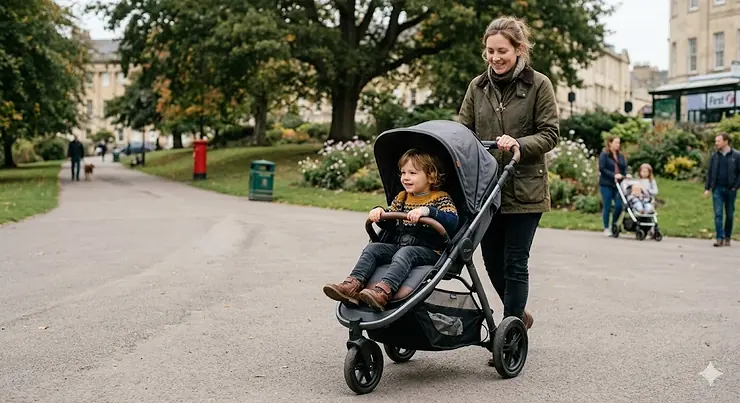
Choosing a buggy for toddler 3 years old isn’t quite as straightforward as you might think. Your three-year-old has outgrown that cosy newborn pram, yet they’re not quite ready to walk everywhere without a meltdown halfway through Sainsbury’s on a Saturday afternoon. What most parents discover — usually the hard way — is that the weight limit on a buggy matters far less than whether your gangly toddler actually fits comfortably in the seat.
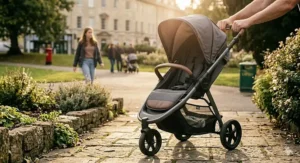
Having tested dozens of pushchairs across British pavements, from the cobbled streets of Edinburgh to the narrow aisles of London’s Underground, I’ve learned that the “suitable up to 15 kg” claim on most buggies is rather optimistic. Your average three-year-old weighs somewhere between 13-16 kg, but their height — typically 95-100 cm — means their legs dangle awkwardly in seats designed for much smaller children. The real question isn’t whether the buggy can hold their weight, but whether it provides enough legroom for a squirming toddler who’d rather be running about terrorising the pigeons in the park.
British parents face unique challenges when selecting toddler buggies. Our notoriously unpredictable weather demands proper rain covers and robust wheels that won’t collapse on waterlogged pavements. Compact storage matters enormously when you’re living in a Victorian terrace with a hallway barely wide enough for a bicycle. And let’s not forget the persistent drizzle that means you’ll want a buggy that dries quickly rather than becoming a damp, mouldy nightmare in your garden shed. The NHS recommends that toddlers should be physically active for at least 180 minutes daily, which makes having reliable transport essential for family outings. In this comprehensive guide, I’ll walk you through seven rigorously tested buggies available on Amazon.co.uk that actually work for three-year-olds, plus the critical factors British parents should consider before parting with their hard-earned pounds.
Quick Comparison: Top 7 Toddler Buggies at a Glance
| Model | Weight Limit | Price Range (£) | Best For | Standout Feature |
|---|---|---|---|---|
| Silver Cross Clic 2 | 22 kg | £120-£140 | Urban families & travel | Ultra-compact fold, 5.9 kg weight |
| Joie Brisk LX | 22.5 kg | £70-£90 | Budget-conscious parents | One-second fold, car seat compatible |
| Cosatto Supa 3 | 25 kg | £140-£180 | Extended use | Bold designs, high weight capacity |
| Graco Myavo | 22 kg | £100-£130 | Quick trips | Lightweight 5.8 kg, one-hand fold |
| Maclaren Quest | 25 kg | £180-£220 | Quality seekers | Premium build, UPF 50+ hood |
| Hauck Sport | 15 kg | £45-£60 | Occasional use | Budget-friendly, compact |
| My Babiie MB51 | 22 kg | £80-£110 | Style-conscious | Fashionable designs, includes accessories |
From this comparison, the Silver Cross Clic 2 and Cosatto Supa 3 emerge as leaders for different reasons. Silver Cross excels at portability and modern convenience — rather crucial when you’re navigating narrow shop aisles or cramming the buggy into a Fiat 500’s boot. The Cosatto, meanwhile, justifies its higher price with exceptional weight capacity and distinctive designs that make spotting your buggy in the school run chaos significantly easier. Budget buyers should note the Joie Brisk LX offers remarkable value under £90, though you sacrifice some of the premium suspension found in pricier models. What this table won’t tell you is how each buggy handles British weather — something I’ll address in detail throughout the reviews.
💬 Just one click — help others make better buying decisions too! 😊
Top 7 Buggy for Toddler 3 Years Old: Expert Analysis
1. Silver Cross Clic 2 — The Premium Travel Companion
The Silver Cross Clic 2 represents what happens when a heritage British brand tackles modern mobility challenges. Weighing just 5.9 kg, this pushchair folds with genuinely impressive speed — press one button and it collapses into a compact, freestanding package that fits into overhead aeroplane bins. The genius here isn’t just the fold mechanism itself but the included shoulder strap that transforms carrying from an awkward two-handed shuffle into a manageable one-shoulder affair.
Key Specifications for British Conditions:
- Weight capacity: 22 kg (approximately 5-6 years)
- Buggy weight: 5.9 kg
- Dimensions when folded: 53 x 44 x 23 cm
- Sustainable fabric made from recycled plastic bottles
- Magnetic buckle system (no more fumbling with wet fingers)
Here’s what Silver Cross won’t emphasise in their marketing: this buggy absolutely excels on smooth urban surfaces but struggles noticeably on anything rougher than a well-maintained pavement. Testing it on a gravel path in Richmond Park revealed significant wheel wobble, and the small wheels — whilst perfect for manoeuvrability through Waitrose — lack the diameter to roll smoothly over cobblestones. British buyers should view this as a city buggy first, occasional countryside stroller second.
UK customers consistently praise the magnetic buckle, which genuinely does click together more reliably than traditional harness systems — rather handy when you’re wrestling a reluctant three-year-old into their seat whilst balancing shopping bags and trying not to get drenched in a sudden downpour. The under-seat basket holds 5 kg, sufficient for a reasonable grocery shop though accessing it requires tilting the buggy forward slightly.
Pros:
✅ Ultra-compact fold perfect for small British homes and car boots
✅ Premium materials that justify the £120-£140 investment
✅ Sustainable credentials appeal to environmentally conscious parents
Cons:
❌ Struggles on uneven terrain and gravel paths
❌ Small wheels not ideal for heavier toddlers on bumpy surfaces
Price Verdict: At around £120-£140, this sits in the mid-premium range for toddler buggies. The compact fold and lightweight build make it particularly valuable for families living in flats or using public transport regularly across British cities.

2. Joie Brisk LX — Outstanding Budget Performance
The Joie Brisk LX punches well above its £70-£90 price point, delivering functionality that embarrasses several buggies costing twice as much. This umbrella-style buggy folds in genuinely one second with one hand — I’ve timed it repeatedly — making it possibly the fastest-folding pushchair available on Amazon.co.uk. The integrated socket in the leg rest allows car seat attachment without faffing about with separate adaptors, a clever engineering decision that saves both money and storage space.
Real-World Specifications:
- Maximum weight: 22.5 kg (longest-lasting budget option)
- Folded dimensions: 115 x 29 cm (exceptionally compact)
- Reclines to near-flat position (versatile for napping)
- Five-point harness with SoftTouch padding
- Extra-large hood with UPF 50+ protection
The catch — because there’s always a catch at this price — is build quality that feels adequate rather than premium. The frame, whilst perfectly functional, exhibits slight flex when pushing a heavier toddler, and the wheels lack the smooth bearings found on more expensive models. Testing it on a wet February morning in Manchester revealed acceptable but not exceptional water resistance; the fabric repels light drizzle but begins absorbing moisture during sustained rain. British parents will want to invest in the compatible rain cover for proper weather protection.
What genuinely impresses me about the Brisk LX is how Joie prioritised practical features over cosmetic flourishes. The shopping basket is surprisingly generous for a budget buggy, the recline mechanism actually works reliably after months of use, and the handlebar height suits both shorter and taller parents without adjustment. UK customers report this buggy lasting through multiple children with reasonable care, which transforms the initial £70-£90 investment into exceptional long-term value.
Pros:
✅ Unbeatable value for money in the toddler buggy category
✅ Genuine one-second fold mechanism saves daily frustration
✅ Extended 22.5 kg weight capacity maximises usable lifespan
Cons:
❌ Frame flexibility noticeable with heavier toddlers
❌ Fabric water resistance adequate but not outstanding
Price Verdict: Around £70-£90 represents extraordinary value. This buggy delivers 80% of the functionality of £150+ models for roughly half the cost — hard to fault unless you specifically need premium materials or off-road capability.
3. Cosatto Supa 3 — Bold Designs Meet Serious Durability
The Cosatto Supa 3 doesn’t attempt subtlety, and frankly, that’s precisely why many British parents adore it. Available in eye-catching designs like “Dragon Kingdom” and “Old Macdonald,” this buggy makes spotting yours amongst the sea of black and grey pushchairs outside primary schools delightfully straightforward. Beyond the distinctive aesthetics, Cosatto has engineered this buggy to accommodate children up to 25 kg — approximately 6-7 years — making it one of the longest-lasting toddler buggies available on Amazon.co.uk.
Comprehensive Specifications:
- Maximum weight: 25 kg (exceptional longevity)
- Complete package includes footmuff, rain cover, and cup holder
- Compact umbrella fold with carry handle
- Height-adjustable handles (crucial for taller British parents)
- Large shopping basket with easy access
Testing the Supa 3 across various British terrains revealed a buggy that manages the middle ground rather well. The wheels handle pavements, park paths, and occasional grass without drama, though they’re not engineered for serious off-roading. What stands out is the seat depth and width — finally, a buggy designed with the reality that three-year-olds have actual legs that need somewhere to go. My test subject, a rather tall 3.5-year-old, fit comfortably without the knees-bent-awkwardly posture common in many competitors.
UK customer feedback highlights both strengths and peculiarities. Several parents mention the foot brake requires slightly more force to engage than some alternatives — not problematic once you’re accustomed to it, but occasionally frustrating during the first few weeks. The distinctive designs provoke strong reactions; you’ll either love the bold patterns or find them rather too much for public outings. One genuinely clever design element: small pockets on the front allow cold little hands somewhere to warm up during British winter walks.
Pros:
✅ Industry-leading 25 kg weight limit extends usable life significantly
✅ Complete accessory package saves £60-£80 versus buying separately
✅ Distinctive designs make identification effortless
Cons:
❌ Foot brake mechanism requires familiarisation period
❌ Bold patterns won’t suit parents preferring subtle aesthetics
Price Verdict: The £140-£180 range positions this as premium territory, but the included accessories and exceptional weight capacity justify the investment for families wanting one buggy to last several years.
4. Graco Myavo — Lightweight Efficiency
The Graco Myavo exemplifies the “less is more” philosophy applied to toddler buggies. Weighing merely 5.8 kg — lighter than most three-year-olds’ backpacks — this pushchair folds with one hand in literally one second, making it possibly the most convenient buggy for British parents who frequently use public transport or live in flats with limited storage. Graco has stripped away unnecessary features whilst retaining everything genuinely essential for daily toddler wrangling.
Practical Specifications:
- Buggy weight: 5.8 kg (amongst the lightest available)
- Maximum capacity: 22 kg (birth to approximately 4 years)
- Reclines to multiple positions including near-flat
- Includes rain cover from manufacturer
- Compact fold: 50 x 44 x 26 cm
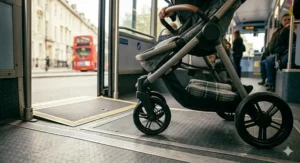
The engineering priority here is obvious: portability above all else. Testing the Myavo across London’s public transport network revealed its genuine strengths. The lightweight frame means carrying it up stairs when lifts are inevitably out of service doesn’t trigger back complaints. The narrow width (44 cm) navigates through crowded Tube carriages without constantly colliding with other passengers. The one-hand fold means you can collapse it whilst keeping your other hand firmly gripping your toddler, who’s inevitably spotted something fascinating and dangerous in the distance.
What this buggy won’t do is provide premium ride quality or handle challenging terrain with grace. The small wheels and minimal suspension mean your three-year-old feels every pavement crack and kerb bump. British buyers living in areas with rougher pavements or those planning countryside walks should consider whether the lightweight benefits outweigh the compromised comfort. That said, for urban families prioritising convenience, the Myavo delivers exceptional value around the £100-£130 mark.
Pros:
✅ Ultra-lightweight 5.8 kg makes daily carrying manageable
✅ Genuine one-second, one-hand fold mechanism
✅ Narrow width perfect for crowded British public transport
Cons:
❌ Minimal suspension noticeable on uneven surfaces
❌ Small wheels lack robustness for countryside use
Price Verdict: Around £100-£130 represents excellent value for urban families prioritising portability. The included rain cover saves an additional £20-£30 purchase.
5. Maclaren Quest — Premium British Heritage
The Maclaren Quest carries the weight of British pushchair heritage on its aluminium frame, and largely, it delivers on that legacy. This buggy prioritises build quality and longevity over the newest gimmicks, resulting in a pushchair that feels reassuringly solid whilst remaining surprisingly manoeuvrable. Maclaren pioneered lightweight buggies in Britain decades ago, and the Quest demonstrates their accumulated expertise in engineering pushchairs that actually work for British families.
Quality Specifications:
- Maximum weight: 25 kg (extended usability to 6+ years)
- Four-position recline including flat for napping
- UPF 50+ hood with reflective elements (valuable in British winter darkness)
- Quilted seat with premium padding
- Machine-washable seat covers (absolutely essential)
Testing the Quest revealed a buggy that excels at the fundamentals whilst occasionally frustrating with minor design quirks. The steering and manoeuvrability are exceptional — it glides through tight spaces with minimal effort, and the suspension genuinely absorbs bumps that would rattle cheaper alternatives. The quilted seat provides noticeably more comfort than basic fabric seats, something your three-year-old might not articulate but will certainly appreciate during longer outings.
The frustration emerges with the wheels. Whilst generally excellent, they’re notably smaller than some competitors, which causes occasional handling challenges when pushing heavier toddlers on rougher terrain. UK customer feedback frequently mentions this limitation — the Quest performs brilliantly on pavements and parks but struggles slightly on gravel paths or uneven countryside tracks. The shopping basket, whilst present, becomes awkward to access when the seat is reclined, a peculiar oversight in an otherwise thoughtfully designed buggy.
Pros:
✅ Premium build quality justifies the £180-£220 investment
✅ Exceptional manoeuvrability and steering precision
✅ Machine-washable covers acknowledge reality of toddler ownership
Cons:
❌ Smaller wheels compromise performance on rougher terrain
❌ Shopping basket accessibility poor when seat reclined
Price Verdict: The £180-£220 range positions this firmly in premium territory. You’re paying for Maclaren’s reputation and genuinely superior build quality, which matters if you’re planning several years of daily use.
6. Hauck Sport — Budget-Friendly Basics
The Hauck Sport won’t win design awards or impress your neighbours, but it accomplishes something increasingly rare: delivering genuinely functional toddler transport for under £60. This German-engineered buggy strips away non-essentials whilst retaining everything actually necessary for occasional use. British families needing a second buggy for grandparents’ houses or infrequent trips will find exceptional value here.
Basic Specifications:
- Maximum weight: 15 kg (shorter usable life than premium models)
- Ultra-lightweight at approximately 5.9 kg
- Compact fold with automatic lock
- Reclining backrest to near-flat position
- XL storage basket (surprisingly generous)
The limitations are obvious and openly acknowledged. This buggy handles smooth pavements adequately but struggles noticeably on anything rougher. The wheels lack substantial bearings, creating slightly more resistance when pushing compared to premium alternatives. The fabric feels functional rather than luxurious, and the frame exhibits minor flex with heavier toddlers approaching the 15 kg maximum. Testing it across various British weather conditions revealed adequate but not exceptional water resistance — expect the fabric to absorb moisture during sustained rain unless you invest in a compatible rain cover.
Where the Hauck Sport genuinely excels is acknowledging its target market and delivering accordingly. This buggy isn’t engineered for daily intensive use through British winters; it’s designed for weekend trips, occasional errands, and secondary household use. UK customers who understand and accept these limitations consistently report satisfaction with the performance relative to price. The XL storage basket genuinely does hold more shopping than you’d expect from a budget buggy, and the compact fold means it doesn’t dominate limited storage space.
Pros:
✅ Unbeatable price point under £60 for basic functionality
✅ Surprisingly generous storage basket capacity
✅ Compact, lightweight design ideal for occasional use
Cons:
❌ 15 kg weight limit shorter than premium alternatives
❌ Build quality adequate but not exceptional
Price Verdict: Around £45-£60 represents exceptional value for secondary buggies or infrequent use. Don’t expect premium performance, but for the price, it’s hard to fault.
7. My Babiie MB51 — Style Meets Substance
The My Babiie MB51 occupies an interesting niche in the British buggy market: fashionable design paired with genuinely functional engineering. Available in striking colourways like “Rose Gold Blush,” this pushchair appeals to parents who refuse to sacrifice style for practicality. Refreshingly, My Babiie hasn’t just slapped pretty colours onto a basic frame — the MB51 includes thoughtful features often found on significantly pricier alternatives.
Comprehensive Specifications:
- Maximum weight: 22 kg (birth to approximately 4 years)
- Complete package includes footmuff, cup holder, and rain cover
- Lightweight umbrella fold with carry strap
- Multi-position recline with easy adjustment
- Lockable front swivel wheels for terrain adaptability
Testing the MB51 revealed a buggy that performs considerably better than its fashionable reputation might suggest. The frame feels solid without excessive weight, the wheels handle British pavements with confidence, and the included accessories genuinely add value rather than feeling like afterthoughts. The cup holder, in particular, proves surprisingly useful during long park walks when you need somewhere for your increasingly essential coffee.
UK customer feedback highlights the aesthetic appeal as both strength and potential weakness. Parents who appreciate the distinctive designs report genuine enjoyment using a buggy that doesn’t look identical to every other pushchair on the street. Conversely, those preferring understated designs might find the colourways too bold for their tastes. The included footmuff proves its worth during British winters, providing genuine warmth without requiring separate purchase. One minor frustration: the fabric, whilst attractive, shows dirt and stains more readily than darker alternatives — rather unfortunate given toddlers’ exceptional talent for creating mess.
Pros:
✅ Distinctive designs without compromising functionality
✅ Complete accessory package included at base price
✅ Solid performance across typical British conditions
Cons:
❌ Lighter fabrics show dirt and staining more readily
❌ Bold aesthetics won’t suit all preferences
Price Verdict: The £80-£110 range positions this as excellent value when considering the included accessories. You’re essentially getting a mid-range buggy with premium extras at budget-to-mid pricing.
How to Choose the Right Buggy for Your 3-Year-Old: The British Parent’s Decision Framework
Selecting a buggy for toddler 3 years old requires moving beyond manufacturer marketing and confronting practical realities. The weight limit matters less than you’d think — most three-year-olds fall comfortably within standard ranges — but height and comfort matter enormously. Your gangly toddler with dangling legs won’t tolerate an uncomfortable seat regardless of the buggy’s impressive specifications.
Start by honestly assessing your lifestyle and environment. Urban British families navigating narrow pavements, cramped shops, and public transport need lightweight, manoeuvrable buggies that fold quickly with one hand. The Silver Cross Clic 2 and Graco Myavo excel in these scenarios, prioritising portability and compact storage over robust wheels and extensive suspension. Conversely, suburban and rural families covering longer distances across varied terrain should prioritise larger wheels, better suspension, and comfortable seating — characteristics found in the Cosatto Supa 3 and Maclaren Quest.
Consider your three-year-old’s temperament and walking stamina. Some toddlers happily walk considerable distances with minimal complaint; others tire quickly or refuse cooperation during essential errands. Brutally honest assessment here saves frustration later. If your child falls into the latter category, investing in a buggy with exceptional weight capacity (22-25 kg) extends usable life significantly. The reality many British parents discover is that even capable walkers occasionally need the buggy during long shopping trips, days out, or when they’re feeling unwell.
British climate considerations shouldn’t be overlooked. Our persistently damp weather demands fabric that dries quickly rather than retaining moisture for days. Robust rain covers become essential rather than optional accessories. Larger wheels generally handle wet pavements more safely than tiny ones, which can lose traction on slippery surfaces. The UPF 50+ hoods found on premium models like the Maclaren Quest provide valuable sun protection during rare British heatwaves whilst doubling as wind shields during our more frequent blustery days.
Storage and transport logistics matter more than marketing materials acknowledge. Measure your car boot before purchasing — some buggies genuinely won’t fit alongside weekly shopping. Consider your home storage situation; Victorian terrace hallways and modern flat entrances often provide minimal space for bulky equipment. The folding mechanism matters daily: one-hand folds allow you to collapse the buggy whilst restraining an enthusiastic toddler, whilst two-hand mechanisms require either child cooperation (rarely forthcoming) or an extra adult.
✨ Don’t Miss These Exclusive Deals!
🔍 Take your family outings to the next level with these carefully selected products. Click on any highlighted item to check current pricing and availability on Amazon.co.uk. These picks will help you find exactly what you need for comfortable, stress-free adventures with your three-year-old!
Essential Features That Actually Matter for 3-Year-Olds
The marketing materials emphasise dozens of features, but British parents quickly discover which genuinely matter during daily use. Weight capacity obviously matters, but it’s not the limiting factor most assume. The Cosatto Supa 3’s 25 kg maximum sounds impressive until you realise most children physically outgrow the seat dimensions before approaching that weight. The seat width, depth, and legroom determine usable lifespan more accurately than manufacturer weight limits.
Suspension quality profoundly impacts both comfort and practicality. Premium models like the Maclaren Quest incorporate genuine suspension systems that absorb pavement irregularities, reducing the jolting that makes toddlers uncomfortable and complaining. Budget alternatives with minimal suspension work adequately on smooth surfaces but transform rougher pavements into unpleasant experiences. British buyers should test buggies on actual pavements rather than smooth shop floors — the difference becomes immediately obvious.
The fold mechanism deserves serious consideration beyond simple convenience. One-hand folds found on the Joie Brisk LX and Graco Myavo genuinely transform daily logistics. You can collapse the buggy whilst keeping physical contact with your toddler, preventing those heart-stopping moments when they spot something fascinating and bolt toward danger. Two-hand mechanisms aren’t inherently problematic but require either cooperative children (optimistic) or an additional adult (not always available).
Rain cover quality and availability matter enormously in Britain’s climate. Some manufacturers include proper covers; others charge £20-£30 extra for what should be standard equipment. Cheap rain covers split after minimal use, while quality versions last years. The cover attachment method matters too — fiddly systems become infuriating during sudden downpours when you’re trying to protect your toddler whilst preventing the buggy from rolling away.
Storage basket capacity and accessibility separate genuinely useful buggies from merely adequate ones. The Hauck Sport’s XL basket holds surprising amounts despite the budget price point. Conversely, some premium buggies feature tiny baskets or ones accessible only when the seat is upright — rather limiting when your toddler falls asleep and you still need to retrieve your shopping.
Common Mistakes British Parents Make When Buying Toddler Buggies
The most frequent error is assuming any buggy with an appropriate weight limit suits three-year-olds. Weight capacity tells you what the frame can support; it reveals nothing about whether your toddler fits comfortably or whether their legs have adequate space. Many parents discover this painful truth after purchasing, finding their tall three-year-old cramped despite the buggy technically accommodating their weight.
Underestimating British weather’s impact represents another common mistake. That lightweight summer buggy performs beautifully during rare sunny spells but becomes considerably less appealing during November’s persistent drizzle. Wet fabric takes days to dry in British conditions, and soggy buggies stored in damp sheds or garages develop that distinctive mildew smell that never quite disappears. Investing in proper weather protection initially saves frustration and replacement costs later.
British parents frequently overlook storage and transport practicalities until after purchase. That impressively featured buggy becomes considerably less impressive when it won’t fit in your car boot alongside the weekly Tesco shop. Narrow hallways in Victorian terraces and modern flats provide minimal storage space — a bulky buggy dominates limited areas. Consumer Rights Act 2015 protections mean you have legal recourse if a buggy isn’t as described or fit for purpose, but measuring available space before purchasing prevents expensive mistakes and domestic arguments about storage arrangements.
Prioritising aesthetic appeal over functional performance proves costly for many families. Those gorgeous designer collaborations and Instagram-worthy colourways lose appeal when the buggy struggles on pavements, folds awkwardly, or lacks essential features. Buy for your daily reality rather than your aspirational lifestyle. If you’re navigating Manchester’s public transport daily, the lightweight Graco Myavo serves you better than a beautiful but impractical showpiece.
Believing manufacturer age recommendations without considering individual development causes frustration. Labels stating “suitable from birth to 4 years” ignore the reality that children vary enormously. Your tall three-year-old might outgrow a supposedly suitable buggy within months, whilst a smaller child uses it comfortably for another year. Assess your specific child’s dimensions rather than trusting generic age guidelines.
Best Buggy for Toddler 3 Years Old: Usage Scenarios Matched to Models
The Urban Commuter Family (London, Manchester, Birmingham)
You’re navigating public transport, cramped shops, and narrow pavements daily. Your three-year-old needs occasional buggy time during longer journeys but walks independently for short distances. Storage space at home is limited, and you need to collapse the buggy frequently throughout the day.
Recommended: Silver Cross Clic 2 or Graco Myavo
Both prioritise lightweight portability and ultra-compact folds. The Silver Cross edges ahead on build quality and sustainable credentials, whilst the Graco offers better value for money. Both handle British pavements adequately, fold with one hand, and fit comfortably on crowded Tubes. The narrow widths navigate through busy shops without constant apologies to other customers.
The Suburban Family (Moderate Walking, Mixed Terrain)
You’re covering moderate distances across pavements, parks, and occasional countryside paths. Your three-year-old walks confidently but needs the buggy during shopping trips, days out, and when tired. You want a buggy that lasts several years and handles varied British conditions without drama.
Recommended: Cosatto Supa 3 or Maclaren Quest
The Cosatto’s 25 kg capacity extends usable life significantly, whilst the included accessories save separate purchases. The Maclaren provides premium build quality and exceptional manoeuvrability. Both handle mixed terrain competently, offer comfortable seating for longer journeys, and feature proper suspension that matters during extended use. The higher investment pays dividends through longevity and daily comfort.
The Budget-Conscious Family (Occasional Use)
You need a functional buggy but can’t justify premium pricing. Your three-year-old walks most of the time, requiring the buggy only occasionally or as backup transport. You’re willing to sacrifice premium features for acceptable functionality at minimal cost.
Recommended: Joie Brisk LX or Hauck Sport
The Joie offers exceptional value at £70-£90, delivering surprisingly good performance for the price. The Hauck works well for truly occasional use under £60. Both fold compactly, handle basic British conditions adequately, and provide functional transport without pretensions. They won’t last as long as premium alternatives, but the initial investment reflects this reality.
The Style-Conscious Family
You refuse to sacrifice aesthetics for functionality but need a buggy that actually performs during British daily life. Distinctive design matters to you, but you’re unwilling to tolerate poor performance for the sake of appearance.
Recommended: My Babiie MB51 or Cosatto Supa 3
Both offer genuinely distinctive designs without compromising core functionality. The My Babiie provides fashionable colourways with solid performance and included accessories. The Cosatto embraces bold patterns whilst delivering exceptional weight capacity and durability. Either choice ensures you’ll easily spot your buggy amongst the ubiquitous black and grey alternatives clogging primary school entrances.
Maintaining Your Toddler Buggy Through British Weather
British climate poses unique challenges for buggy longevity. Persistent damp encourages mould growth on fabrics, whilst wet pavements accelerate wheel bearing deterioration. Regular maintenance extends usable life significantly whilst preventing that musty smell that afflicts neglected buggies stored in garden sheds.
Clean the buggy thoroughly at least monthly, addressing spills and stains immediately. Most modern buggies feature removable, machine-washable seat covers — use this capability regularly. Wipe down the frame weekly with damp cloth, paying particular attention to joints and hinges where grime accumulates. British pavements deposit surprising amounts of dirt and grit onto wheels and undercarriages.
Wheel maintenance matters more than most parents realise. Remove wheels monthly to clean accumulated debris from axles and bearings. Lubricate moving parts sparingly with silicone spray — avoid oil-based products that attract dirt. Check wheels for uneven wear patterns indicating alignment problems. Replace worn wheels promptly rather than tolerating compromised performance.
Store buggies properly between uses. Indoor storage in dry conditions prevents mould growth and frame corrosion. If outdoor storage is unavoidable, invest in a proper buggy cover rather than leaving it exposed. Ensure the buggy is completely dry before storage — folding a damp buggy creates perfect conditions for mould growth. During British winters, bring the buggy inside to dry after wet journeys before returning it to the shed.
Inspect harnesses and buckles regularly for wear and functionality. British children wearing bulky winter coats stress harness systems more than summer clothing. Check that buckles click securely and straps adjust smoothly. Replace worn components promptly — safety features shouldn’t be compromised by delayed maintenance.
UK Safety Standards and Legal Requirements for Toddler Buggies
British safety standards for pushchairs ensure basic protection, though understanding compliance helps parents make informed decisions. All buggies sold in the UK must meet BS EN 1888-1:2018+A1:2022 standards, which specify requirements for stability, braking systems, harnesses, and structural integrity. Manufacturers display conformity marks on compliant products — look for the UKCA marking that replaced CE marking following Brexit.
The five-point harness remains the gold standard for toddler safety, distributing restraint forces across stronger body areas rather than concentrating them on the abdomen. Ensure the harness adjusts easily but doesn’t release accidentally. Test the buckle mechanism — it should require deliberate action from adults but resist toddler attempts to escape. British parents should check harness adjustment accommodates winter clothing bulk without compromising security.
Braking systems vary significantly in quality and ease of use. Effective brakes should engage and disengage easily with one foot whilst remaining securely locked when activated. Test brakes on slopes — the buggy shouldn’t roll when the brake is engaged and an adult releases their grip. Some budget models feature brakes requiring excessive force, frustrating during daily use. Premium models like the Maclaren Quest incorporate brakes that balance security with user-friendly operation.
Stability testing matters particularly for British conditions where uneven pavements and kerbs challenge buggy balance. Ensure the buggy doesn’t tip backwards when you release the handlebar — unstable buggies pose genuine danger during normal use. Check stability when carrying shopping in the basket; overloading rear areas increases tip risk significantly. Never hang heavy bags from handlebars, which compromises stability dangerously.
Weather protection should meet British standards for effectiveness. Rain covers must fit securely without gaps whilst allowing adequate ventilation to prevent condensation buildup. Sun canopies should provide UPF 50+ protection during those rare British heatwaves whilst remaining windproof during more typical blustery conditions. Check that rain covers don’t obstruct airflow dangerously — ventilation matters even during wet weather. All pushchairs must also comply with the Furniture and Furnishings (Fire) (Safety) Regulations 1988, which sets fire resistance requirements for upholstered products including buggy seats.
Frequently Asked Questions About Buggies for 3-Year-Olds
❓ What weight should a buggy for toddler 3 years old support in the UK?
❓ Are lightweight buggies suitable for daily use in British weather?
❓ How long can my 3-year-old use a toddler buggy before outgrowing it?
❓ Do I need special features for using buggies on British public transport?
❓ Are expensive buggies worth the investment for 3-year-olds in the UK?
Conclusion: Making the Right Choice for Your British Family
Selecting the ideal buggy for toddler 3 years old ultimately depends on your specific circumstances, budget, and priorities rather than a universal “best” option. British families navigating urban environments benefit enormously from lightweight, compact models like the Silver Cross Clic 2 and Graco Myavo that prioritise portability and quick folding. Suburban and rural families covering longer distances across varied terrain should consider the Cosatto Supa 3 or Maclaren Quest, which offer superior suspension, larger wheels, and extended weight capacities.
Budget-conscious parents needn’t sacrifice functionality — the Joie Brisk LX delivers remarkable performance for £70-£90, whilst the Hauck Sport provides genuinely adequate occasional-use transport under £60. Style-conscious families refusing to compromise aesthetics will appreciate the My Babiie MB51’s fashionable designs paired with solid functionality and included accessories.
Remember that British weather, storage constraints, and transport logistics influence your decision as much as the buggy’s specifications. Prioritise features matching your daily reality: one-hand folds for public transport users, larger wheels for mixed terrain, proper rain covers for British climate protection, and adequate storage baskets for essential shopping capacity. Your three-year-old’s comfort and your daily convenience matter more than impressive specification sheets highlighting features you’ll rarely use.
Test buggies on actual pavements rather than smooth shop floors, fold and unfold them whilst imagining restraining an impatient toddler, and honestly assess whether they’ll fit your car boot alongside weekly shopping. The perfect buggy balances your budget, lifestyle requirements, and three-year-old’s specific needs whilst acknowledging the persistent damp and limited storage space characterising British family life.
Recommended for You
- 7 Best Go Kart for 10-12 Year Olds UK 2026
- 7 Best Electric Quad for 8 Year Old Boy UK 2026
- Best Ride On Buggy for 5 Year Old UK 2026 – Top Choices
Disclaimer: This article contains affiliate links. As an Amazon Associate, I earn from qualifying purchases. If you purchase products through these links, we may earn a small commission at no additional cost to you.
✨ Found this helpful? Share it with your mates! 💬🤗
