In This Article
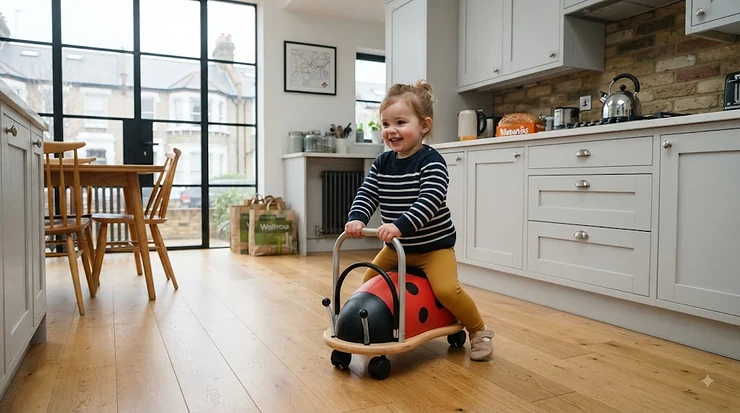
There’s a very specific sound that fills a living room once a Wheelybug ladybird arrives: the rhythmic clack-clack-clack of little feet paddling across laminate flooring, followed by a triumphant squeal every time the rider discovers they can spin in a full circle. It’s genuinely one of those toys that earns its reputation the hard way, through years of birthday parties, nursery playrooms and back gardens rather than clever marketing. But “the best Wheelybug ladybird” isn’t quite as simple a question as it first sounds, because there are two sizes, several genuine alternative designs within the same range, and a handful of honest competitors worth knowing about before you commit.

This guide breaks down exactly which ladybird ride-on suits which age and budget, what the real specs actually mean for a wobbly one-year-old versus a confident three-year-old, and where the cheapest genuine options sit. Toddlers develop balance and coordination through exactly this kind of repetitive movement play, according to NHS-affiliated children’s therapy guidance, which is part of why ride-on toys like this remain a first-birthday staple decade after decade rather than a passing trend. We’ve dug into real specs, genuine review sentiment and honest side-by-side comparisons so you’re not just taking a product description’s word for it.
Whether you’ve got your heart set on the original wooden Wheelybug, you’re hunting for the cheapest ladybird ride-on that still holds up to daily toddler abuse, or you simply want to know what a first birthday gift like this actually does for development, this guide has you covered.
Quick Comparison Table
| Product | Type | Price Range | Best For |
|---|---|---|---|
| Wheelybug Ladybird Small | Wooden ride-on, 1-3 years | around £65-£75 | Best overall / first birthday gift |
| Wheelybug Ladybird Large | Wooden ride-on, 3+ years | around £75-£85 | Older toddlers and preschoolers |
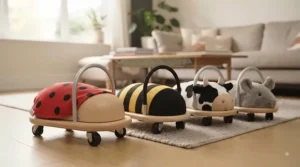
| Wheelybug Panda (plush) | Plush-covered ride-on | around £75-£85 | Premium cuddly alternative |
| Wheelybug Bee (Small) | Wooden ride-on, 1-3 years | around £65-£75 | Variety pick, same durability |
| Scuttlebug Beetle 3-Wheel | Foldable trike-style ride-on | around £30-£40 | Budget alternative that grows with them |
| Beehive Toys Ladybird Balance Bug | Wooden ride-on, 12 months+ | around £35-£45 | Cheapest genuine ladybird ride-on |
| Bigjigs Diditrike Ladybird | Lightweight push trike | around £35-£45 | Lightweight travel-friendly option |
Looking at the spread here, the genuine Wheelybug Ladybird Small remains the benchmark against which every alternative gets measured, and for good reason — but it isn’t automatically the right pick for every budget or every child. If cost is the deciding factor, the Beehive Toys Ladybird Balance Bug is the closest genuine like-for-like alternative in terms of design and function, while the Scuttlebug Beetle suits families who want a ride-on that visibly grows alongside their child from first steps into early cycling skills.
💬 Just one click — help others make better buying decisions too!😊
Top 7 Wheelybug Ladybird Options: Expert Analysis
Below is our honest rundown of seven genuinely available products — covering the original Wheelybug range, its sibling designs, and real budget alternatives worth knowing about.
1. Wheelybug Ladybird Small — best overall and best first birthday gift
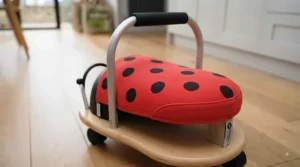
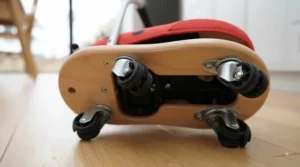
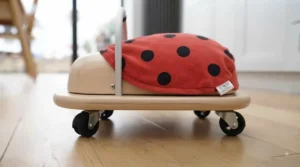
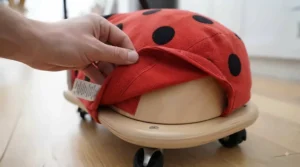
The Wheelybug Ladybird Small is the product most people mean when they search for “best Wheelybug ladybird,” and it earns that default status fairly. Built with a plywood base, a padded polyurethane leatheroid seat, and five multi-directional castors, it’s designed specifically for riders aged one to three, with each castor rated to hold 30kg for a combined safe working load of 120kg. Based on the spec comparison with fixed-wheel ride-ons, the genuine advantage here is the 360-degree movement — rather than being limited to backwards and forwards, toddlers can spin in full circles, which noticeably extends how long the novelty lasts compared with simpler trikes. What most buyers overlook is that the handle is aluminium specifically to avoid rust, and the “feelers” use a stainless steel spring with an internal limiter cord, both small design choices that explain why these toys routinely survive a full decade of sibling handovers. Reviewers consistently note that theirs lasted years beyond the recommended age range, with several parents on independent forums describing units still in daily use after eight to ten years of ownership.
Pros:
- ✅ Genuine 360-degree multi-directional movement
- ✅ Aluminium handle and stainless steel feelers resist wear
- ✅ Widely reported to last well beyond toddler years
Cons:
- ❌ Higher upfront cost than plastic alternatives
- ❌ Works best on smooth indoor flooring only
At around £65-£75 at the time of research, it sits at the premium end of ride-on toys, though its longevity genuinely helps justify the price for many families.
2. Wheelybug Ladybird Large — best for older toddlers and preschoolers
Once a toddler outgrows the Small size, the Wheelybug Ladybird Large picks up exactly where it leaves off, recommended from age three upward and weighing slightly more at 2.3kg versus the Small’s 1.8kg. On paper this means a sturdier frame and roomier seat built for a bigger, more confident rider, while retaining the same core mechanics that made the smaller version popular — the same aluminium handle, the same spring-loaded feelers, and the same rated 120kg safe working load across its castors. Here’s what to weigh: this is genuinely a separate purchase rather than an adjustable version of the Small, so families with a toddler and an older sibling sometimes end up owning both sizes simultaneously. Aggregated review sentiment highlights that the Large size copes noticeably better with heavier, more energetic riders who might otherwise strain the Small model’s frame, and several reviewers specifically mention buying it as their child’s second Wheelybug after outgrowing the original.
Pros:
- ✅ Built for bigger, more confident riders
- ✅ Same durable materials as the Small version
- ✅ Suits preschool-age children who still enjoy ride-on play
Cons:
- ❌ Not interchangeable with the Small size
- ❌ Similar price point despite being a size upgrade
Priced in the £75-£85 range, it costs slightly more than the Small, reflecting the larger frame and materials rather than any premium features.
3. Wheelybug Panda — best premium cuddly alternative
For families who want the mechanics of a Wheelybug but the aesthetic of a soft toy, the Wheelybug Panda swaps the classic hard-wearing leatheroid body for a plush fabric cover over the same wooden base and castor system. What the spec sheet won’t tell you, but reviewers note, is that this plush design genuinely changes how the toy gets used day to day — several parents mention their children treat it as much as a cuddly companion as a ride-on, dragging it into bedrooms for naps as often as riding it around the kitchen. Based on the spec comparison with the standard ladybird design, the underlying mechanics are identical, so the ride quality and durability of the wheelbase itself doesn’t change, only the surface material. This is the pick for anyone buying a first birthday gift where the toy also needs to double as a comfort object, though the plush fabric naturally requires slightly more careful spot-cleaning than the simple wipe-clean vinyl of the original ladybird design.
Pros:
- ✅ Doubles as a soft, cuddly companion toy
- ✅ Same reliable 360-degree wheelbase as classic designs
- ✅ Popular gift choice for baby showers and first birthdays
Cons:
- ❌ Plush surface needs more careful cleaning than vinyl
- ❌ Typically priced similarly to or above the classic ladybird
Expect to pay around £75-£85, broadly in line with the standard range despite the different materials.
4. Wheelybug Bee (Small) — best alternative design with identical durability
Not every family wants a ladybird specifically, and the Wheelybug Bee offers exactly the same engineering in a different animal skin — a genuinely useful option for parents choosing between siblings’ preferences or simply wanting to avoid the most common design at nursery. Based on the spec comparison with the Ladybird Small, the Bee shares an identical plywood base, aluminium handle, castor rating and safe working load, meaning the choice between them comes down entirely to aesthetic preference rather than any functional difference. What most buyers overlook is that buying a different animal design to the one already owned by grandparents or a nursery setting can actually help a toddler distinguish “my ride-on” from “the one at nursery,” which several parents mention as a genuine practical benefit rather than just a styling choice. Reviewers consistently praise the Bee’s bright yellow-and-black colourway for staying vivid even after years of outdoor and indoor use, echoing the same durability feedback seen across the wider Wheelybug range.
Pros:
- ✅ Identical build quality and durability to the Ladybird
- ✅ Bright colourway shows less visible wear over time
- ✅ Useful for distinguishing from nursery or sibling toys
Cons:
- ❌ No functional advantage over the Ladybird design
- ❌ Same premium price point as other Wheelybug designs
At around £65-£75, pricing mirrors the Ladybird Small almost exactly, so the decision here is purely about which design your child prefers.
5. Scuttlebug Beetle 3-Wheel Ride-On — best budget alternative that grows with your child
Where the Wheelybug range prioritises multi-directional spinning, the Scuttlebug Beetle takes a different approach entirely, using three wheels with front-wheel steering to more closely mimic the mechanics of an actual tricycle or balance bike. On paper this means it’s designed less as a stationary spinning toy and more as a genuine first step toward pedal bikes, with a lightweight frame that folds down in three simple steps for easy storage and transport. Here’s what to weigh: independent parenting review site Mumsnet has specifically named the Scuttlebug their top overall ride-on pick, citing its ability to take children from a year old right up to riding their first bike as a genuine practical advantage over single-stage toys. Reviewers consistently highlight the quiet, non-scratch wheels as ideal for indoor use, while a smaller number note the narrower wheelbase means it feels less stable than the wider-set Wheelybug on very young or unsteady riders.
Pros:
- ✅ Grows with the child from first steps to early cycling
- ✅ Folds compactly for storage or travel
- ✅ Genuinely budget-friendly compared with wooden alternatives
Cons:
- ❌ Narrower stance feels less stable for very young toddlers
- ❌ Lacks the 360-degree spin of Wheelybug’s castor design
At around £30-£40, this is considerably cheaper than a genuine Wheelybug while still offering years of genuine developmental use.
6. Beehive Toys Ladybird Balance Bug — cheapest genuine ladybird ride-on alternative
For anyone specifically hunting the cheapest Wheelybug-style ladybird without buying the branded original, the Beehive Toys Ladybird Balance Bug is the closest honest match currently available. Built with a durable wooden base, child-safe rounded edges and five fully rotating castor wheels, it replicates the core mechanic that makes Wheelybug popular — genuine 360-degree movement — at a noticeably lower price point. Based on the spec comparison with the branded original, the padded foam seat and wipe-clean cover closely mirror the Wheelybug’s own construction, and the product is EN71-compliant and CE marked, meeting the same European toy safety testing standards as the pricier alternative. What most buyers overlook is that “cheaper” doesn’t necessarily mean “worse built” here — the core mechanism, wheel count and safety certification are genuinely comparable, with the main trade-off being brand recognition and the decades-long reputation Wheelybug has built rather than any obvious construction shortfall. Aggregated customer sentiment is positive on value for money, though the brand naturally has a shorter public track record than the well-established original.
Pros:
- ✅ Genuinely the cheapest 360-degree ladybird ride-on option
- ✅ EN71-compliant and CE marked for UK safety standards
- ✅ Comparable wheel mechanism to the branded original
Cons:
- ❌ Shorter brand track record than the original Wheelybug
- ❌ Less resale value given lower brand recognition
Priced around £35-£45, it’s roughly half the cost of the genuine Wheelybug Ladybird Small, making it a sensible pick for budget-conscious first birthdays.
7. Bigjigs Diditrike Ladybird — best lightweight, travel-friendly option
The Bigjigs Diditrike Ladybird takes yet another mechanical approach, using free-running wheels and a soft, easy-turn handlebar rather than castors or pedals, designed for riders as young as twelve months and up to 20kg in weight. On paper this means an especially lightweight build that’s simple to lift in and out of a car boot or carry between rooms, which several reviewers highlight as a genuine practical advantage over the noticeably heavier wooden Wheelybug range. Based on the spec comparison with pedal trikes, the Diditrike relies entirely on the child pushing with their feet along the ground, which suits the earliest stages of ride-on play before a toddler has the coordination for pedalling, making it a sensible complement to — or lightweight alternative for — the classic ladybird ride-on. This is the pick for grandparents’ houses, holiday cottages, or any family who needs a ride-on toy that travels easily rather than staying permanently in one room. Reviewers note it holds up well to regular outdoor use on flat, smooth surfaces, though its lighter build means it’s genuinely less substantial underfoot than the solid plywood base of a Wheelybug.
Pros:
- ✅ Notably lighter and easier to transport than wooden alternatives
- ✅ Suitable from a young twelve-month starting age
- ✅ Part of a wider four-animal-design range for variety
Cons:
- ❌ Feels less sturdy underfoot than solid wooden ride-ons
- ❌ Hard seat lacks the padded comfort of the Wheelybug design
At around £35-£45, it competes directly with the Beehive Toys option on price while offering a genuinely different riding mechanism worth considering.
What Is a Wheelybug Ladybird?
A Wheelybug ladybird is a wooden ride-on toy for toddlers, built around a plywood base fitted with multi-directional castor wheels that allow the rider to move forwards, backwards, sideways and in full circles. Unlike fixed-wheel ride-ons or trikes, its defining feature is unrestricted 360-degree movement, designed specifically to support early balance, coordination and confidence in children roughly one to three years old (Small) or three years upward (Large).
The design has become something of a nursery and playroom staple across the UK, and it’s easy to see why once you understand the developmental angle. Ride-on toys like this are specifically recommended as a stepping stone activity that helps toddlers develop the strength and balance needed before progressing to trikes, scooters and bikes. That’s precisely the developmental gap products like the Wheelybug range, and its genuine alternatives, are built to fill.
How to Choose the Best Wheelybug Ladybird
Picking the right ladybird ride-on comes down to a handful of practical checks rather than simply choosing the most popular option. Here’s what actually matters:
- Match the size to your child’s current age, not just their birthday. The Small suits roughly one to three years; a confident, taller two-year-old may already be ready for the Large.
- Check the flooring at home first. Castor-wheel designs like Wheelybug perform best on smooth, level indoor surfaces rather than carpet or outdoor paving.
- Decide whether brand or budget matters more. Genuine alternatives like Beehive Toys offer comparable mechanics at a noticeably lower price if brand recognition isn’t a priority.
- Consider how long you actually need it to last. If it’s destined to be a hand-me-down across multiple children, the original Wheelybug’s proven decade-long durability may justify the higher price.
- Think about storage and transport needs. Lighter options like the Bigjigs Diditrike suit families who move the toy between locations regularly.
- Look for genuine UK toy safety compliance. Confirm any alternative carries CE or UKCA marking, which indicates the product meets the UK’s toy safety standards.
- Factor in whether it needs to grow with the child. Options like the Scuttlebug, which transitions toward early cycling skills, offer a longer useful life than single-stage designs.
Common Mistakes When Buying a Wheelybug Ladybird
The most frequent misstep is buying the Large size too early, assuming bigger automatically means better value — in reality, a toddler well under the recommended age can struggle to reach the pedals-free floor properly on the larger frame, which actually limits rather than extends the toy’s usefulness. Another common error is overlooking flooring compatibility entirely; buyers who plan to use the toy primarily on carpet or outdoors are often disappointed, since the multi-directional castors that make Wheelybug so appealing perform noticeably better on smooth, hard flooring. Shoppers also frequently assume all ladybird-style ride-ons are functionally identical, when in fact the underlying mechanism varies significantly between castor-based designs like Wheelybug and Beehive Toys, trike-style options like Scuttlebug, and push-along designs like the Bigjigs Diditrike — each suits a different stage of development. Finally, it’s worth avoiding the trap of buying purely on brand name without checking genuine alternatives, since the price gap between the original Wheelybug and comparably built options like the Beehive Toys Ladybird Balance Bug is substantial enough to matter for most family budgets.
Wheelybug vs Trike-Style and Push-Along Ride-Ons
It’s tempting to assume every animal-shaped ride-on toy works the same way, but the mechanics genuinely differ, and understanding this explains why some toddlers take to one style faster than another.
| Feature | Wheelybug-Style Castor | Trike-Style (Scuttlebug) | Push-Along (Diditrike) |
|---|---|---|---|
| Movement | 360-degree, any direction | Forward-focused, steerable | Forward, foot-powered |
| Best starting age | 12 months+ | 12 months+ | 12 months+ |
| Best For | Wheelybug Ladybird / Beehive Toys stationary spinning play | Scuttlebug Beetle transitioning toward cycling | Bigjigs Diditrike lightweight, travel use |
| Grows into | Continued spinning play | Balance bikes and trikes | Trikes and pedal toys |
| Typical surface | Smooth indoor flooring | Indoor and outdoor | Smooth indoor flooring |
Looking at the comparison above, the genuine Wheelybug Ladybird Small and its close alternative the Beehive Toys Ladybird Balance Bug both excel at stationary, spin-in-place play that suits the very earliest stage of ride-on confidence, while the Scuttlebug Beetle is genuinely better positioned as a longer-term investment that carries a child from their first wobbly pushes through to early cycling skills. Families torn between the two approaches often end up owning both, using a castor-style ladybird for early indoor play before graduating to a trike-style option as walking confidence improves.
Wheelybug Ladybird for First Birthday Gifts
A first birthday sits right at the sweet spot for this style of toy, and it’s genuinely one of the most common reasons people search for the best Wheelybug ladybird in the first place. At twelve months, most toddlers are just beginning to cruise along furniture or take their first independent steps, and the Wheelybug’s low seat height combined with its sturdy aluminium handle means it doubles usefully as a push-along support before a child is confident enough to sit and scoot unaided. What most buyers overlook is that this dual function — support toy first, ride-on second — genuinely extends the toy’s usefulness across the entire first year of ownership, rather than sitting unused until a child is developmentally ready to ride it properly.
For gift-givers specifically choosing between the branded Wheelybug and a cheaper alternative, it’s worth remembering that a first birthday gift is often intended to last through multiple children or get passed on afterward, which is where the original Wheelybug’s well-documented decade-plus lifespan can genuinely justify the higher upfront cost compared with the Beehive Toys Ladybird Balance Bug or similar alternatives.
The Wheelybug Brand: What Makes It Different
Understanding why Wheelybug commands a premium over genuine alternatives comes down to a few consistent design choices rather than marketing alone. The brand has built its reputation specifically around the multi-directional castor mechanism, a detail that’s been refined across the full animal range — Bee, Cow, Ladybird, Mouse, Pig and Tiger in the classic hard-wearing style, alongside plush options including Panda, Hedgehog, Dog, Lion and Unicorn. On paper this means buyers get a consistent build quality across every design in the range, which explains why families often own more than one Wheelybug without any noticeable difference in durability between animals. Independent parenting review site MadeForMums has specifically praised the range’s lightweight, nippy manoeuvrability, while noting it performs considerably better on smooth surfaces than rougher outdoor terrain — a genuine trade-off worth factoring in if garden play matters to your family.
Toddler Balance and Coordination: Why This Matters
Ride-on toys like the Wheelybug ladybird aren’t purely entertainment — they play a genuine role in early physical development. According to guidance published by an NHS children’s therapy service, toddlers develop core strength, balance and coordination progressively through activities like scoot-along toys and ride-ons, which lay the groundwork for later skills like pedalling a tricycle or balancing on one leg. What the spec sheet won’t tell you, but occupational therapists consistently note, is that the specific act of pushing off with alternating feet — exactly the movement a Wheelybug encourages — helps build the same core stability children later rely on for running, jumping and climbing.
This is worth bearing in mind when comparing the castor-based Wheelybug design against alternatives like the Scuttlebug or Diditrike. Each style challenges balance and coordination slightly differently: the Wheelybug’s unrestricted spinning movement builds core stability through unpredictable direction changes, while the Scuttlebug’s steerable front wheel more directly rehearses the specific motor pattern needed for later trike and bike riding.
Toy Safety and Ride-On Toy Durability
All genuine ride-on toys sold in the UK, whether the original Wheelybug or a budget alternative, must comply with the Toys (Safety) Regulations 2011, which set out mechanical, physical and chemical safety standards that products need to meet before sale. The UK government has an ongoing review of these toy safety regulations, reflecting how seriously toy safety compliance continues to be treated as shopping increasingly moves online. Practically speaking, this means checking for a genuine CE or UKCA mark on any ladybird ride-on you’re considering, regardless of brand, since this indicates the product has been tested against recognised mechanical and chemical safety standards.
Durability is a separate but related consideration, and it’s where the branded Wheelybug range has built much of its reputation. Reviewers and parenting forums alike consistently report Wheelybugs surviving eight to ten years of active use across multiple children, a track record that genuine alternatives like the Beehive Toys Ladybird Balance Bug haven’t yet had time to establish simply due to being newer to market. That said, the underlying materials — plywood bases, foam-padded seats, rotating castors — are broadly similar across the better-built alternatives, suggesting comparable long-term durability is achievable even at a lower price point.
✨ Don’t Miss These Exclusive Deals!
🔍Take your toddler’s playtime to the next level with these carefully compared ride-on picks. Click through to check current pricing and availability, and find the ladybird — or budget-friendly alternative — that’s the perfect fit for your little one’s first birthday.
Practical Guide: Getting the Most From a Wheelybug Ladybird
A little care goes a long way toward extending a ride-on’s already impressive lifespan. First, keep it primarily on smooth, level flooring — the multi-directional castors that make Wheelybug so much fun genuinely work best on laminate, hardwood or tile rather than carpet or outdoor paving, both of which restrict the spinning motion the toy is built around. Second, wipe the seat down regularly with a damp cloth rather than harsh cleaning products, since the polyurethane leatheroid surface is designed to be wipe-clean but can degrade faster if scrubbed with abrasive chemicals. Third, periodically check the handle and feeler attachments for looseness, particularly during the first thirty days of ownership when a new toddler is likely to be testing the toy’s limits with enthusiastic tugging and pulling.
A common early mistake is assuming the toy needs no maintenance at all simply because it’s built to be robust — while Wheelybugs are genuinely hard-wearing, an occasional check of the castor wheels for trapped debris (hair, small toys, carpet fibres) keeps the spinning motion smooth over years of use. For families choosing a budget alternative like the Beehive Toys or Bigjigs options, the same basic care routine applies, and keeping the toy dry and away from prolonged outdoor exposure will meaningfully extend its working life regardless of brand.
Real-World Scenarios: Which Ladybird Ride-On Suits Your Family?
Picture three fairly typical households working out which option fits. First, parents buying a first birthday gift on a tight budget who want something that still feels special — here the Beehive Toys Ladybird Balance Bug makes genuine sense, delivering comparable mechanics and CE-marked safety credentials at roughly half the cost of the branded original.
Second, a family who already owns one Wheelybug and is expecting a second child, wanting a hand-me-down-worthy toy that will comfortably survive both siblings across several years — the genuine Wheelybug Ladybird Small, or the Large if the older child has already outgrown the smaller size, remains the sensible choice given its well-documented decade-plus durability.
Third, grandparents wanting a lightweight ride-on to keep at their house for occasional visits, where storage space and portability matter more than long-term daily use — the Bigjigs Diditrike Ladybird or the compact, foldable Scuttlebug Beetle both suit this scenario better than the bulkier, heavier original Wheelybug.
Problem → Solution: Common Wheelybug Ladybird Questions Answered
Problem: My toddler seems too small for the Small size to sit comfortably. Check the recommended one-to-three-year age range against your child’s current size rather than age alone — some children are ready earlier, others benefit from waiting a couple of months for better core control.
Problem: I can’t justify the price of a genuine Wheelybug. The Beehive Toys Ladybird Balance Bug offers a comparable 360-degree castor mechanism and CE-marked safety compliance at roughly half the price, making it a sensible genuine alternative.
Problem: The castors have started squeaking or catching. This is almost always trapped debris rather than a fault — check each castor for hair, fluff or small objects and clear them out with a soft brush.
Problem: My toddler has already outgrown the Small size. The Wheelybug Ladybird Large is designed specifically as the next step, sharing the same core mechanics in a sturdier frame suited to ages three and up.
Problem: I need something that works outdoors as well as indoors. Castor-based designs like Wheelybug are genuinely built for smooth indoor flooring — for mixed indoor and outdoor use, the Scuttlebug Beetle‘s trike-style wheels cope considerably better with varied surfaces.
Frequently Asked Questions
❓ What age is the Wheelybug ladybird suitable for?
❓ What's the cheapest genuine Wheelybug-style ladybird ride-on?
❓ Is a Wheelybug ladybird a good first birthday gift?
❓ Does the Wheelybug brand make other designs besides the ladybird?
❓ How does a Wheelybug help toddler balance and coordination?
Conclusion
Choosing the best Wheelybug ladybird really comes down to weighing brand reputation and proven longevity against genuine budget alternatives that now offer comparable mechanics. For families who want the well-documented decade-plus durability and don’t mind paying for it, the Wheelybug Ladybird Small remains the sensible default, with the Large ready to take over once a child outgrows it. Those prioritising cost without sacrificing genuine build quality should take a serious look at the Beehive Toys Ladybird Balance Bug, while families wanting a ride-on that evolves alongside developing cycling skills may prefer the Scuttlebug Beetle over a single-stage spinning toy.
Ultimately, whichever option you choose, the core benefit remains the same: a genuinely engaging way to support a toddler’s balance, coordination and confidence during one of the most physically formative stages of early childhood, wrapped in a design cheerful enough to survive years of enthusiastic play.
Recommended for You
- Fire Engine Ride-On Toy: 7 Best Picks for 2026 (Tried; Tested Specs)
- Truck Ride-On Toy: 7 Best Picks for Outdoor Play in 2026
- Sports Car Ride-On for Toddlers: 7 Best Picks for 2026
Disclaimer: This article contains affiliate links. As an Amazon Associate, I earn from qualifying purchases. If you purchase products through these links, we may earn a small commission at no additional cost to you.
✨ Found this helpful? Share it with your friends! 💬🤗
