In This Article
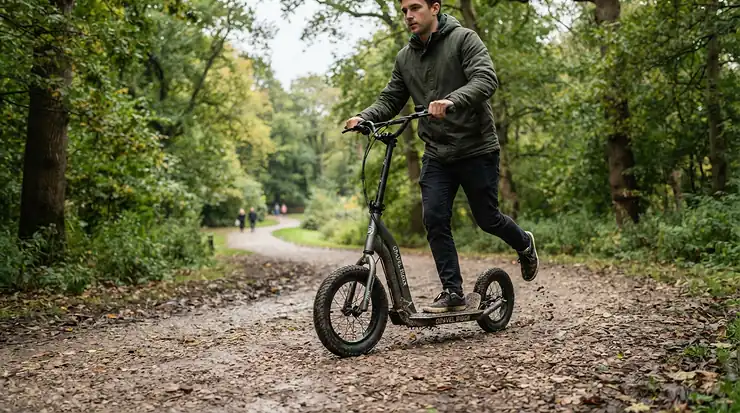
Picture 8:12 a.m. One shoe is missing, toast is airborne, and the 0.8-mile walk to the gates has just been reframed by your four-year-old as a polar expedition. Now picture the same morning with a Micro scooter for school run duty: shoes on in record time, a child who wants to be first out of the door, and you striding along instead of negotiating. It isn’t magic. It’s close, though.
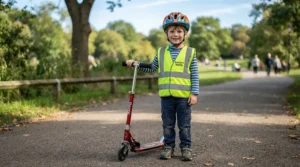
Mumsnet’s 2026 kids’ scooter guide makes the same point more soberly. Scooters make the school or nursery run quicker than walking, and they build balance, steering and coordination along the way. The trouble is choice. Between lean-to-steer three-wheelers, two-wheeled fold-and-carry models and a thousand colourways, it’s easy to spend over £100 on the wrong scooter for the wrong child.
This guide cuts through that. You’ll get seven real models across budget, mid-range and premium, interpreted through their specs and the genuine themes in published reviews. I haven’t ridden any of them and won’t pretend otherwise, so what follows is honest analysis rather than invented anecdotes.
We’ll also tackle the questions parents keep asking:
- Which are the top Micro scooters under £80? The genuine Micro-brand list is shorter than you’d hope.
- How does folding compactness for storage work in a real school cloakroom?
- How do you judge durability for daily use?
- Which road safety accessories are worth your money?
Prices below are ranges at the time of research, so check the current price before you buy.
Quick comparison of the best Micro scooter for school run options
| Scooter | Age guide | Storage style | Price range | Best For |
|---|---|---|---|---|
| Mini Micro Deluxe LED | 2-5 | Removable T-bar | Around £70-£75 | Pre-school starters |
| Mini Micro Classic | 3-5 | Compact, no fold | Around £60-£65 | Tightest budgets |
| Globber Primo Foldable | 3+ | One-button fold | £65-£75 range | Foldable under £80 |
| CORE Kids Foldy | 5+ (listings vary) | Lever fold | Check current price | Bag-friendly carrying |
| Trunki Folding Scooter | Roughly 3-6 | Two-button fold | Around £80 | Child-proof folding |
| Maxi Micro Deluxe | 5-12 | No fold (foldable variant exists) | Well over £100 | Long-term daily use |
| Micro Sprite Classic | 6+ | Fold-to-carry | £110-£125 range | Confident older kids |
Looking at the comparison above, the Globber Primo Foldable is the only pick that pairs a genuine fold with a price comfortably under £80. That makes it the sensible answer for a cramped hallway. The Mini Micro Deluxe LED gives the best build quality inside that budget, but only for under-fives. The Maxi Micro Deluxe and Micro Sprite Classic sit above the £80 line, a gap that only pays off if your child will ride daily for years.
💬 Just one click — help others make better buying decisions too!😊
Top 7 Micro scooter for school run picks: expert analysis
I picked these seven to cover three-year-olds through to confident ten-year-olds, with a spread of budgets and storage styles. Each entry interprets the specs and summarises what published reviews genuinely say, noting where the evidence is thin.
1. Mini Micro Deluxe LED — light-up wheels for gloomy winter mornings
The motion-activated LED wheels do more than dazzle. On a grey November morning they make a small rider easier for drivers and other pedestrians to spot.
This is the Mini Micro Deluxe family with light-up wheels added. It’s aimed at ages 2-5, weighs about 1.95kg and carries up to 35kg. It has a 120mm front wheel pair, an 80mm rear wheel and an adjustable T-bar. In practice, that weight is light enough for a four-year-old to hoist over a kerb. The wide front wheels cope with pavement joins that would stall smaller wheels. The lean-to-steer system, where the child tilts rather than twists, forgives wobble. That matters when the route includes a postbox, a dog walker and a puddle.
Based on the spec comparison, this is the strongest first Micro scooter for school run duty for pre-schoolers. Mumsnet’s parent testers named the Mini Micro Deluxe their best overall kids’ scooter and praised its durability. The same review concedes the price is hefty, but argues that the aftercare and replaceable parts help justify it. Don’t expect a fold. The T-bar comes off instead, which suits hallway storage better than a bus.
Pros:
- ✅ Lean-to-steer keeps beginners stable and confident
- ✅ Wearable parts can be replaced, not binned
- ✅ LED wheels boost visibility on dark mornings
Cons:
- ❌ No fold, only a removable T-bar
- ❌ Taller five-year-olds may outgrow it early
Price check: around £70-£75 at the time of research, which puts it inside the top Micro scooters under £80 bracket. Check current price.
2. Mini Micro Classic — cheapest ticket into genuine Micro engineering
Strip away the light-up wheels and the adjustable bar, and you’re left with the original lean-to-steer idea at its most affordable.
Micro’s own comparison puts the Mini Micro Classic at ages 3-5, with a 20kg rider limit, an aluminium stem and no adjustable handlebar. PriceSpy’s comparison lists it at around 1.6kg with a foot brake. Translated, it’s the lightest scooter in this list and easy to carry one-handed. The fixed handlebar means your child rides at the same height from day one until they outgrow it. A 20kg ceiling is also lower than many four- or five-year-olds will reach once they’re confident.
My honest take: it suits a three-year-old of average build who’ll scoot for a year or two. It also suits a family that wants the Micro design at the lowest entry price. It’s less suited to a tall child, or to a hand-me-down plan for a younger sibling. In those cases the Deluxe’s 35kg limit and adjustable bar earn their extra pounds.
On reviews, I couldn’t verify a meaningful pool of independent parent reviews for the Classic specifically. The strongest published praise in my research covers the Deluxe. Both share the lean-to-steer concept, so similar handling is a reasonable expectation, but treat that as inference rather than proof.
Pros:
- ✅ Lowest price of the Micro-brand options here
- ✅ Lightest scooter in this whole list
- ✅ Same lean-to-steer idea as pricier Minis
Cons:
- ❌ Handlebar height can’t be adjusted
- ❌ 20kg rider limit is restrictive
Price check: around £60-£65 at the time of research. It’s an easy fit for top Micro scooters under £80, but check current price.
3. Globber Primo Foldable — push-button fold for tight cloakrooms
A fold that takes one button press is worth more than any marketing adjective on a cramped school morning.
The Globber Primo Foldable is built for ages 3 and up, with a 50kg limit. It has a three-position T-bar (roughly 67.5-77.5cm from the ground), a steering-lock button for beginners and a low deck. Retailer listings disagree on weight, from roughly 2.3kg to 3kg, so check the exact variant. The steering lock turns a nervous three-year-old’s wobbles into a straight line while they learn. The low deck keeps push-off within reach of short legs. The fold converts the scooter into a trolley-style carry, ideal for hall cupboards and car boots.
Here’s what to weigh: it’s a starter scooter, not a lifetime one. A tall seven-year-old will outgrow the T-bar range. Think of it as a two- to three-year investment, and one of the best foldable options in the top Micro scooters under £80 conversation, even though it isn’t a Micro product.
Mumsnet’s reviewer found it quick to assemble and easy to clean. They called it a great choice for children new to scooting, and its roundup names it the best budget pick.
Pros:
- ✅ One-button fold suits tight storage
- ✅ Steering lock calms nervous beginners
- ✅ Easy to assemble and wipe clean
Cons:
- ❌ T-bar range suits under-sevens best
- ❌ Weight listings vary between retailers
Price check: Mumsnet put it at around £65-£75 when reviewed. Check current price.
4. CORE Kids Foldy — two-wheeler light enough to slip in a bag
Two wheels, a pull-lever fold and a weight under 3kg: this is the scooter for children who have graduated from wobbly three-wheelers.
Retailer listings for the CORE Kids Foldy give a 2.78kg weight, a height range of roughly 64-91.5cm, 110mm wheels and a 100kg rider limit. The deck measures about 44cm by 9cm. CORE describes the Foldy as made for transport rather than tricks. In practice, the bar range means it keeps fitting as your child grows. The short deck feels nimble, but it leaves less room for big feet than a Maxi-style deck. CORE’s own listing says it fits in car boots and under cloakroom benches.
On the age guide, retailers disagree: some say 5+, others 3+. Judge by your child’s height and confidence on two wheels, not the number on a listing. This is a poor first scooter for a nervous three-year-old, who will find lean-to-steer models far easier.
Reviews are the weak point. I found only a small handful of retailer reviews, one of which praised the build and folding mechanism. That’s too thin for a confident verdict, so read current reviews before you buy.
Pros:
- ✅ Lever fold is quick and bag-friendly
- ✅ Wide adjustable bar range for growth
- ✅ High 100kg rider limit
Cons:
- ❌ Two wheels demand real balance
- ❌ Small verified review pool
Price check: check current price. It may sit near or above the £80 line depending on retailer, so verify before assuming it’s one of the top Micro scooters under £80.
5. Trunki Folding Scooter — three-wheeler with a child-proof two-button fold
Trunki made its name with ride-on suitcases, and that background shows in a scooter built to be stashed rather than abandoned in the hall.
Coach’s roundup describes the Trunki Folding Scooter as a sturdy three-wheeler weighing 3kg. It suits children of 95-115cm, with a 50kg rider limit. The fold needs two buttons pressed, which is deliberately fiddly for small fingers. That’s reassuring, because a scooter that folds mid-ride is a bad design. The cost is that a very young child can’t fold it themselves. At 3kg it’s the heaviest three-wheeler here, which matters if you’re carrying it up school steps.
Expert Reviews picked it as its best foldable scooter in a 2023 roundup, at around £80 at the time. Those are editorial verdicts rather than customer reviews, so I can’t give you aggregated parent sentiment. Check current reviews.
It suits families who want a folding three-wheeler with a safety-first latch and don’t mind paying right at the budget line. Anyone shopping strictly under £80 should compare it against the Globber Primo Foldable.
Pros:
- ✅ Two-button fold resists accidental collapse
- ✅ Sturdy three-wheel stance for beginners
- ✅ Folds for lockers, boots and cupboards
Cons:
- ❌ Heaviest three-wheeler in this list
- ❌ Price sits right at the £80 line
Price check: around £80 at the time of the review I found. Check current price.
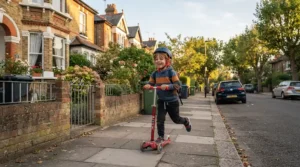
6. Maxi Micro Deluxe — grows with kids from five to twelve
This is the scooter that has launched thousands of school-gate conversations, and the reasons are mostly practical.
Mumsnet lists the Maxi Micro Deluxe for ages 5-12 with a 70kg maximum and a weight of 2.5kg. Other retailer listings give a handlebar range of 68-91cm, 120mm and 80mm wheels and a rear brake. That height range matters. A child can start on it at five with the bar low and still be using it comfortably well into primary school. Mumsnet’s tester described it as impressively speedy without ever feeling out of control, and noted soft rubber handle ends and little tipping danger. The review also notes that every wearable part can be bought as a spare.
The honest trade-off is cost. Mumsnet’s Globber review put the foldable Maxi Micro Deluxe at £138, with the non-foldable version a few pounds lower. That’s well over the £80 line, and the standard version doesn’t fold. Over several years of daily use, though, the maths improves: around £130 spread across roughly 1,900 journeys is about 7p each.
Pros:
- ✅ Handlebar range lasts well beyond age ten
- ✅ Wearable parts sold as spares
- ✅ Fast but stable for older beginners
Cons:
- ❌ Premium price, well over £100
- ❌ Standard version doesn’t fold
Price check: around £120-£140 range depending on version and retailer. Check current price.
7. Micro Sprite Classic — fold-and-carry two-wheeler for confident big kids
For children who have outgrown lean-to-steer and want something that feels like a grown-up scooter, this is Micro’s answer.
The Micro Sprite Classic is a two-wheeler recommended from age 6 up to teenagers. Micro listings describe a fold-to-carry design and a 2-way kickstand. Retail listings give a maximum rider weight of around 100kg and a T-bar range of roughly 78-103cm, with a 34cm by 10cm deck. That kickstand is the sleeper feature. It lets a child park the scooter upright at the school gate instead of dropping it on the ground, which is great for a scooter that must survive years of lockers.
This is not a first scooter. Two wheels require genuine balance, and a child who hasn’t mastered a three-wheeler will find it frustrating. For a confident nine- or ten-year-old with a 1.5-mile route, though, it’s the more mature choice.
I couldn’t verify a large pool of independent UK parent reviews specifically for the Classic, so I won’t claim a sentiment verdict. Look for recent reviews on the retailer’s page.
Pros:
- ✅ Fold-to-carry design for lockers and boots
- ✅ Kickstand keeps it upright at the gate
- ✅ Suits growing riders up to teenage years
Cons:
- ❌ Needs confident two-wheel balance
- ❌ Premium price over the £80 line
Price check: around £110-£125 range depending on version. Check current price.
Setting up your Micro scooter for school run: the first 30 days
Most scooter problems start in the first month, not the first year. Here’s a week-by-week plan.
Week one is setup. Set the T-bar at about waist height. Coach’s guide warns that a bar much higher than that makes the scooter harder to control. Check the steering turns smoothly, the wheels sit firm and the brake bites, which is exactly the trio on Lancashire County Council’s scooter tips for parents. Practise in a garden or park before attempting pavements.
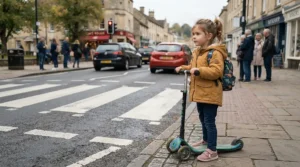
Week two is the route. Walk it first without the scooter. Mark where your child must dismount: kerbs, driveways and crossings. Teach them to stop, look, listen, then push the scooter across the road.
Week three is maintenance. Wipe the deck and wheels, check bolts for looseness and listen for squeaks. The rear brake is a wear part, so look at it now rather than after a near miss.
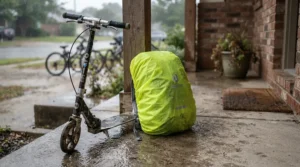
Week four is review. Check whether the bar height still feels right. Settle a storage routine so the scooter isn’t left out in the rain, because one retailer’s warranty terms exclude rust from water exposure.
Common mistakes in the first 30 days:
- Setting the bar too high so they “grow into it”
- Skipping the brake check
- Letting a child ride beyond the weight limit
Real-world scenarios: which Micro scooter for school run fits which family?
If your child is four and the walk is half a mile, the Mini Micro Deluxe LED is the logical pick. The lean-to-steer design is forgiving, the LED wheels help on dark mornings, and the cost stays inside the top Micro scooters under £80 bracket. If budget is tighter, the Mini Micro Classic works for an average-sized three- or four-year-old.
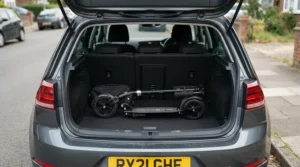
If your child is six and the school cloakroom is tiny, folding compactness for storage becomes the deciding factor. The Globber Primo Foldable or the Trunki Folding Scooter will tuck into a locker or under a bench. The CORE Kids Foldy is the alternative for a child already confident on two wheels. Ask the school about its scooter storage policy before you buy.
If your child is ten and the route is 1.5 miles, a small-wheeled starter won’t cut it. The Maxi Micro Deluxe offers three-wheel stability with a long-lasting height range. The Micro Sprite Classic gives the more grown-up two-wheel feel and folds for the bus or boot. Both cost more, but at roughly 1,900 daily journeys over five years, the per-trip price drops to pennies.
If you have two children, consider buying for the older one and passing it down, and weigh durability for daily use above everything. A scooter with replaceable parts does that job best.
Problem to solution: fixing the common school gate headaches
Problem: they refuse to scoot home when tired. Solution: make the scooter a morning-only tool at first. Walk home together, carrying the folded scooter if it’s a foldable model.
Problem: the scooter won’t fit in the cloakroom or locker. Solution: choose a folding model such as the Globber Primo Foldable, the Trunki Folding Scooter or the CORE Kids Foldy. Label it clearly. If the school allows nothing, a removable T-bar, as on the Mini Micro Deluxe LED, shrinks the footprint.
Problem: wet pavements. Solution: slow down. Lancashire’s guidance notes that wet weather increases skid risk. Keep the brake clean and consider a dry-weather-only rule for younger children.
Problem: dark winter mornings. Solution: pair LED wheels with hi-vis clothing, because wheel lights aren’t a substitute for being visible from a distance.
Problem: the scooter keeps getting dropped. Solution: a kickstand helps. The Micro Sprite Classic has one, and for other models a bag hook or storage habit does the same job.
What is a Micro scooter for school run?
A Micro scooter for school run is a lightweight, non-motorised kick scooter, typically three-wheeled with lean-to-steer for young children or two-wheeled for older ones, used to travel to and from school. It’s powered by pushing with one foot and stopped with a rear brake, making short trips faster than walking.
The label covers more than one brand. Micro Scooters popularised the format with its foldable aluminium design, and the name has become shorthand for the whole category. In this guide we use Micro scooter for school run in that broader sense, while naming each product honestly. The key distinction is propulsion: these are human-powered, which matters legally. Motorised e-scooters are a different category with strict rules, covered in the regulations section below.
How to choose a Micro scooter for school run: 6 steps
The right Micro scooter for school run use matches your child’s age, your route and your storage space. Work through these six steps in order.
- Check age and weight limits first. A scooter that’s too heavy for the child is the fastest way to a abandoned purchase. Weight limits range from 20kg on the Mini Micro Classic to around 100kg on two-wheelers.
- Pick the wheel layout. Three wheels with lean-to-steer suit beginners. Two wheels suit confident riders.
- Decide whether folding matters. If your cloakroom is tiny or you take a bus, put folding compactness for storage near the top of your list.
- Measure the route. Under half a mile, any scooter works. Over a mile, bigger wheels and a higher weight limit help.
- Plan for durability for daily use. Look for replaceable parts, not just a good first impression.
- Budget for road safety accessories. A helmet and hi-vis belong in the same basket as the scooter.
Top Micro scooters under £80: what your budget really buys
Here’s the awkward truth. Genuine Micro-brand scooters under £80 are mostly the Mini range, aimed at ages 2-5. Older-child Micro models such as the Maxi Micro Deluxe and Micro Sprite Classic sit above the line. Under £80 you’re really choosing between Micro’s Minis and non-Micro foldables.
| Scooter | Price range | Fold? | Value verdict |
|---|---|---|---|
| Mini Micro Classic | Around £60-£65 | No | Cheapest Micro entry; low weight limit |
| Mini Micro Deluxe LED | Around £70-£75 | Removable bar | Best build under £80 for under-fives |
| Globber Primo Foldable | £65-£75 range | Yes | Best folding value under £80 |
| Trunki Folding Scooter | Around £80 | Yes | Borderline; child-proof fold |
The table shows that the Globber Primo Foldable wins on folding value, while the Mini Micro Deluxe LED wins on long-term build quality. If your child is under five and storage isn’t a problem, the Deluxe LED is the stronger buy. If you need a fold, the Globber Primo Foldable covers it with change to spare. The Trunki Folding Scooter only makes sense if its two-button latch matters to you.
Folding compactness for storage: what actually matters
Folding compactness for storage is about three questions: how small does it get, how fast does it fold, and can a child do it alone?
| Storage style | Scooter | Practical impact |
|---|---|---|
| Removable T-bar | Mini Micro Deluxe LED | Shortens the footprint; no true fold |
| One-button fold | Globber Primo Foldable | Fast; trolley-style carry |
| Lever fold | CORE Kids Foldy | Quick; bag-friendly weight |
| Two-button fold | Trunki Folding Scooter | Child-proof but slower |
| Fold-to-carry | Micro Sprite Classic | Best for older riders and buses |
The weight beneath the fold matters as much as the fold itself. A 3kg scooter that folds in a second is still 3kg to carry up school steps. The CORE Kids Foldy and Globber Primo Foldable are lighter and quicker to fold, but the Trunki Folding Scooter offers the safest latch. For a household with a tiny hallway, a fold beats a removable bar every time.
Durability for daily use: wear, spares and total cost
Durability for daily use is where a scooter’s spec sheet and its reputation diverge. Daily school runs mean around 190 days a year, twice a day, in all weathers.
Micro’s selling point isn’t indestructibility but repairability. The Mumsnet review of the Maxi Micro Deluxe notes that every part likely to wear out is sold as a spare, and the brand’s own site says it stocks replacements for every scooter it sells. Micro also runs Scooteraid, a scheme that refurbishes returned scooters, according to Jarrold’s guide.
Wear parts to watch:
- The rear brake, which is a consumable on any scooter
- Wheels and bearings on rough pavements
- Folding hinges, where grit builds up over time
One retailer’s warranty terms state 24 months but exclude wear to brakes, wheels and handles, plus rust from water exposure. Cost per journey is the sensible metric. A scooter around £70 used twice daily for two school years works out at roughly 9-10p a trip. Cheaper scooters that last one term are far worse value.
Road safety accessories: helmets, hi-vis and lights
Road safety accessories are cheap compared with the scooter, and they’re the part most parents skip.
RoSPA’s scooter factsheet says scooters shouldn’t be used on the road, notes that most riders use the pavement, and recommends parents consider a helmet when buying a scooter for a child. It also points to visibility aids as a way for others to spot riders more easily. Lancashire County Council’s guidance adds knee pads, elbow pads and wrist supports for extra protection.
My priority order for a Micro scooter for school run routine:
- Helmet: fitted properly and worn every ride.
- Hi-vis sash or jacket: essential in winter, even with LED wheels.
- Clip-on lights: front and rear, for dark mornings.
- Pads and wrist guards: especially for newer riders or on rougher routes.
LED wheels, as on the Mini Micro Deluxe LED, are a bonus rather than a replacement. They light the ground near the child rather than making the child visible from a distance.
Micro scooter vs alternatives: scooter, balance bike, bike or walking
| Option | Pace vs walking | Storage | Cost range | Best For |
|---|---|---|---|---|
| Kick scooter (e.g. Globber Primo Foldable) | Quicker | Folds small | £60-£140 | Most 3-12s |
| Balance bike | Similar to quicker | Bulky | Varies | Pre-schoolers learning balance |
| Pedal bike | Fastest | Bulkiest | Varies | Confident older kids with bike storage |
| Walking | Baseline | None | Free | Short routes, very young children |
A scooter wins on storage and convenience. It’s lighter than a bike, folds for the boot or bus, and doesn’t need locking up. The Mini Micro Deluxe LED or the Maxi Micro Deluxe suit children who like speed but don’t yet have bike confidence. For short routes under about half a mile, walking still works, and a scooter simply makes it more fun. A pedal bike makes more sense when the route is long and bike storage is available at school.
✨ Ready to Make Mornings Easier!
🔍 Take your school run to the next level with these carefully chosen scooters. Click any highlighted product name to check current pricing and availability. A well-matched scooter can turn a stressful trudge into the best part of your child’s day! 🛴
Common mistakes when buying a Micro scooter for school run
- Buying too big. A taller scooter won’t be “grown into”. It’ll be unmanageable. Match the scooter to the child now, within the adjustable range.
- Ignoring weight limits. The Mini Micro Classic‘s 20kg cap and the Globber Primo Foldable‘s 50kg cap are real constraints, not suggestions.
- Assuming a removable bar is a fold. The Mini Micro Deluxe LED shrinks for storage but doesn’t fold.
- Treating LED wheels as lights. They add some visibility, but they’re not a substitute for proper road safety accessories.
- Paying for features you won’t use. A kickstand or foldable LED model is wasted if your child’s school has a scooter rack.
- Forgetting the brake. The rear brake wears faster than anything else. Check it monthly.
- Choosing on colour alone. It’s tempting, but spec and fit decide whether the scooter lasts.
Safety, regulations and e-scooter rules for UK families
RoSPA notes that scooters sold in the UK fall under the Toys (Safety) Regulations 2011 and must meet the essential safety requirements of the EN 71 toy safety standard. Look for UKCA or CE marking on the box, as Mumsnet’s review of the Mini Micro Deluxe noted for its packaging.
Non-motorised scooters are mostly used on pavements, but RoSPA advises against road use. Teach your child to dismount at kerbs, slow down on crowded pavements and never expect pedestrians to move aside.
Motorised e-scooters are a separate matter. They’re classed as motor vehicles under the Road Traffic Act 1988, and the gov.uk powered transporters guidance sets out the rules. A privately owned e-scooter may only be used on private land with permission, not on public roads, pavements or cycle tracks. Children under 16 aren’t legally allowed to ride them in public. Many schools explicitly ban them. For a Micro scooter for school run routine, the non-powered models in this guide are the legal and sensible choice.
FAQ
❓ What age is best to start a Micro scooter for school run?
❓ Are there top Micro scooters under £80 that fold?
❓ Do children need a helmet on a Micro scooter?
❓ Can my child leave a scooter at school?
❓ How long will a Micro scooter for school run last?
Conclusion
Choosing the right Micro scooter for school run duty comes down to matching the scooter to the child, the route and the cloakroom. For pre-schoolers, the Mini Micro Deluxe LED is the strongest all-round choice, and the Mini Micro Classic is the cheapest way into the Micro design. For families who need a fold within the top Micro scooters under £80, the Globber Primo Foldable is the sensible answer, with the Trunki Folding Scooter as a safety-latch alternative at around the £80 mark.
For older, confident riders, the Maxi Micro Deluxe and Micro Sprite Classic cost more but offer the longest useful life. The CORE Kids Foldy deserves a look if you want a light two-wheeler, though its review pool is small, so read current feedback first.
Whatever you pick, budget for road safety accessories. A helmet and hi-vis cost a fraction of the scooter and matter far more than any feature on a spec sheet. Check durability for daily use, think hard about folding compactness for storage, and teach the dismount-at-the-kerb habit from day one.
✨ Your best school mornings start here!
🔍 Click any highlighted product name to check current pricing and availability, and find the scooter that turns the daily dash into the best part of the day.
Recommended for You
- Micro Scooter For Toddlers: 7 Best Safe Picks For UK (2026)
- Mini Micro 3-in-1 Vs Mini Micro Deluxe: 7 Best Picks (2026)
- Mini Micro Vs Maxi Micro: 7 Best Scooters Compared (2026)
Disclaimer: This article contains affiliate links. As an Amazon Associate, I earn from qualifying purchases. If you purchase products through these links, we may earn a small commission at no additional cost to you.
✨ Found this helpful? Share it with your friends! 💬🤗
