In This Article
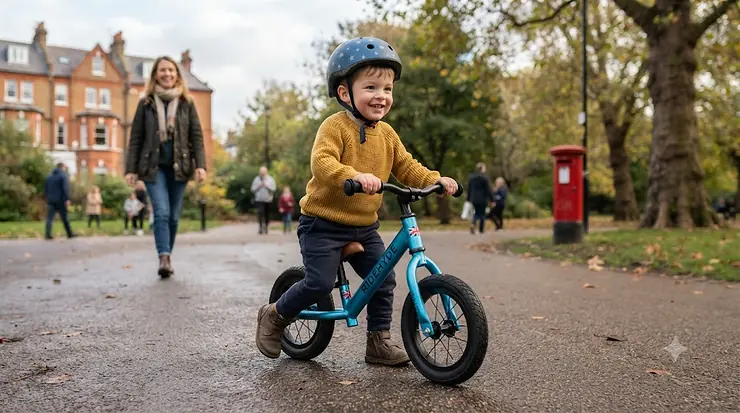
A sturdy steel balance bike for toddlers is a pedal-free, two-wheeled learner bike with a steel frame, propelled by the child pushing off the ground with their feet, designed to build balance and coordination before they ever touch a pedal. This modern design traces back to the earliest two-wheeled dandy horse invented in 1817, reworked for tiny riders. That’s the textbook version, anyway. The reality, if you’ve ever stood in a garden watching a two-year-old ram a bike into a rockery at speed, is a bit more chaotic – and that’s exactly why the frame material matters so much more than most first-time buyers realise.
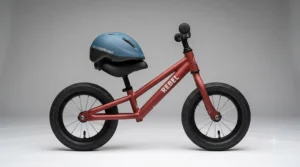
Plastic bikes flex. Cheap aluminium can dent. Steel just sort of absorbs the abuse and asks for more. If you’re shopping for a sturdy steel balance bike for toddlers because your little one treats every ride as a demolition derby, or because the bike’s going to live outdoors between a shed and a muddy patch of lawn, you’re already thinking about this the right way. This guide digs into seven genuinely good steel-framed options available in the UK right now, from budget metal balance bike picks under £40 to premium convertibles that hold their resale value years later.
We’ve pulled real specifications, aggregated genuine review sentiment, and independent testing notes rather than rehashing marketing copy, and we’ve paid particular attention to the things Amazon listings tend to gloss over: how the welded joints actually hold up, whether the frame copes with garden and outdoor terrain use, and what these bikes are realistically worth second-hand once your toddler’s outgrown them. Let’s get into it.
Quick Comparison Table
Before the deep dive, here’s how the seven bikes stack up on the essentials.
| Bike | Frame | Wheel Size | Suggested Age | Weight | Price Range | Best For |
|---|---|---|---|---|---|---|
| Puky LR M | Steel | 8.5″–12″ (model dependent) | 2 years+ | ~3.5kg | £80-£95 | Best-value quality |
| Strider 12 Sport | Steel | 12″ | 18 months-5 years | ~3kg | £75-£90 | Best all-round adjustability |
| Trybike Steel 2-in-1 | Steel | 12″ | 15 months-6 years | ~6.3kg | £130-£155 | Best convertible/resale |
| BTWIN Runride 100 | Steel | 10″ | 2-5 years | ~3.2kg | £30-£50 | Best ultra-budget |
| KRIDDO Classic 12″ | Carbon steel | 12″ | 2-5 years | ~3.6kg | £45-£65 | Best budget with extras |
| Dromlag LED Wheels | Carbon steel | 12″ | 2-6 years | ~3.5kg | £30-£40 | Best fun budget pick |
| Gotrax Baby Balance Bike | Steel | 7″ | 1-2 years | ~2.8kg | £35-£55 | Best for youngest riders |
Looking at the spread above, there’s a clear pattern: sub-£50 steel bikes tend to trade adjustability and bearing quality for a rock-bottom price, while anything over £75 typically adds sealed bearings, wider adjustment ranges, or a genuine resale market. The Trybike Steel 2-in-1 sits apart from the rest because it isn’t really “just” a balance bike – the trike-to-two-wheeler conversion changes the maths on value entirely, since you’re arguably buying two stages of development in one frame.
💬 Just one click – help other make better buying decisions too!😊
Top 7 Sturdy Steel Balance Bikes for Toddlers: Expert Analysis
We’ve grouped these across budget, mid-range and premium price points, with a spread of ages, wheel sizes and use cases so there’s a genuine match whatever your toddler is doing to their current ride-on toy.
1. Puky LR M — best-value German engineering
The German brand’s smallest balance bike has built a genuine following among UK parents, and the standout here is how much bike you get for the money once you look past the retro paint job. Despite the steel frame, the Puky LR M weighs only around 3.5kg, and it pairs sealed precision ball bearings on the steering and wheel hubs with a tough, scratch-resistant powder coating that’s specifically designed to keep a steel frame from corroding in typical UK weather.
Based on the spec comparison with cheaper alternatives, the Puky LR M‘s foam tyres are genuinely maintenance-free, which matters a lot when you’re the one who ends up sorting out flat tyres at 7am. It suits younger, smaller toddlers best – riders on the smaller end of the 2-6 age bracket will get the most out of it, since bigger children may find the frame a touch compact. Reviewers consistently note the low weight as the standout feature, with one detailed customer review specifically praising the bike as good value relative to other balance bikes and easy to carry, alongside puncture-proof tyres that need no attention.
Pros:
- ✅ Sealed bearings keep steering smooth for years
- ✅ Genuinely light at 3.5kg despite steel construction
- ✅ Puncture-proof foam tyres need zero maintenance
Cons:
- ❌ No hand brake or kickstand on this base model
- ❌ Smaller riders benefit most; less room to grow
Prices for the Puky LR M sit in the £80-£95 range depending on retailer and colourway – check current price, as stock and offers shift regularly. Given the sealed bearings and powder-coated frame, this is strong value if you want German build quality without stretching to a premium convertible.
2. Strider 12 Sport — best all-round adjustability
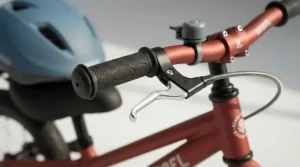
Strider has been making balance bikes since 2007, and the Sport model remains one of the most recommended steel options in the range specifically because of how far it stretches. What most buyers overlook about this model is the sheer breadth of its fit: quick-release clamps adjust the seat from as low as 27cm right up to 48cm, meaning the Strider 12 Sport genuinely spans 18 months to around five years on paper – not just in marketing copy.
The steel frame here is powder-coated for scratch resistance and weighs in around 3kg, putting it firmly among the lighter steel bikes on this list despite the material. On paper this means a toddler as young as 18 months can lift and manoeuvre it themselves, which matters enormously for independent play. Aggregated reviewer sentiment is strongly positive on the tool-free adjustability and integrated footrest, though several parents and reviewers flag that, being steel rather than the brand’s own aluminium Pro model, it is more susceptible to rust if stored outdoors in damp conditions long-term.
Pros:
- ✅ Adjusts across the widest age range on this list
- ✅ Integrated footrest for confident coasting downhill
- ✅ Tool-free quick-release seat and handlebar clamps
Cons:
- ❌ Steel frame can rust if left out in damp weather
- ❌ Foam tyres wear down faster than air-filled options
Expect to pay in the £75-£90 range for the Strider 12 Sport – always check current price before buying, since Strider runs regular promotions. For families wanting one bike that genuinely lasts from first wobble to confident coasting, this is one of the strongest all-rounders here.
3. Trybike Steel 2-in-1 — best convertible with resale value
This is the bike to consider if you want your money to stretch across two developmental stages rather than one. The Trybike Steel 2-in-1 starts life as a three-wheeled trike for wobbly 15-month-olds, then converts – via a genuinely simple removal of the rear axle assembly – into a proper two-wheel balance bike as your toddler’s confidence grows. Here’s what to weigh: at 6.3kg it’s the heaviest bike on this list, but that extra weight buys you spoked 12-inch steel wheels, sealed cartridge bearings and extra-wide pneumatic rubber tyres rather than the solid foam wheels found on cheaper rivals.
Reviewers consistently describe the build as sturdy without feeling overly heavy to push around, and one detailed retailer test specifically praised how easy the pneumatic tyres were to pump and how well the bike coped both indoors and outside. What most buyers overlook here is the resale angle: aggregated market data pegs the Trybike Steel 2-in-1‘s resale value at around £75, which is unusually high for a toddler bike and reflects how well the steel frame and quality components hold up to a first, second and sometimes third child.
Pros:
- ✅ Converts from trike to balance bike as skills develop
- ✅ Pneumatic tyres and sealed bearings, not solid foam
- ✅ Strong resale value thanks to durable steel build
Cons:
- ❌ Assembly and the trike-to-bike conversion are fiddly
- ❌ Bulkier to store than a standard 12″ balance bike
Price sits around the £130-£155 range – a genuine mid-to-premium spend, but one that’s offset by the strong resale market and dual-stage use. For families planning more than one child, or who intend to sell it on afterwards, this is arguably the best value pick despite the higher upfront cost.
4. BTWIN Runride 100 — best ultra-budget steel option
Decathlon’s own-brand balance bike range has quietly become a go-to first bike for UK parents, and the entry-level BTWIN Runride 100 is the reason why. At just 3.2kg with a steel frame, steel handlebar and steel seatpost, it’s deliberately stripped back – no brake, no bearings to speak of, solid EVA foam tyres – and that simplicity is precisely what keeps the price so low. The spec sheet won’t tell you this, but user reports suggest the low weight and easy-to-climb-onto frame make it a genuinely good first bike for a nervous or very young rider, rather than a compromise pick.
Aggregated Decathlon customer review data shows a strong 4.7 out of 5 average across hundreds of verified reviews, with several UK parents specifically noting good value for money and praising it as a solid budget metal balance bike before stepping up to something with air tyres. One French reviewer even noted the bike resold easily second-hand, which tracks with how widely available and recognisable the BTWIN name is across Europe.
Pros:
- ✅ Genuinely low price point without feeling like a toy
- ✅ Very light at 3.2kg for easy toddler handling
- ✅ Puncture-proof tyres need no pumping or maintenance
Cons:
- ❌ No hand brake included on this entry model
- ❌ Basic bushings rather than sealed bearings
At £30-£50, the BTWIN Runride 100 is about as inexpensive as a genuinely reputable steel-framed balance bike gets in the UK, and reviewers rating it 5/5 on value for money back that up consistently.
5. KRIDDO Classic 12″ — best budget pick with extras
The KRIDDO Classic 12″ has built a large following on Amazon specifically because it undercuts premium brands on price while still ticking the “carbon steel frame” box that budget-conscious parents look for. Key specs translate into real-world use here: the frame supports up to around 110lbs (50kg), which is well beyond what any toddler will weigh, and the all-terrain, puncture-resistant 12-inch tyres are genuinely wider than most sub-£50 competitors, giving noticeably better grip on grass and uneven garden paths.
What most buyers overlook is the personalisation angle – a customisable name plate and sticker sheets come bundled in, which sounds like a gimmick until you realise it’s often the deciding factor for a toddler who’s reluctant to get on a new bike. Aggregated review sentiment sits around 4.5-4.7 out of 5 across well over a thousand ratings, with parents consistently praising easy assembly and durability, though a handful mention minor alignment issues out of the box that a quick Allen key adjustment usually resolves.
Pros:
- ✅ Wide, puncture-resistant tyres suit rougher terrain
- ✅ Adjustable seat and handlebars grow with your child
- ✅ Personalised name plate helps reluctant riders bond with it
Cons:
- ❌ Some units arrive needing minor alignment tweaks
- ❌ Bearings are basic compared with premium brands
Priced around £45-£65, the KRIDDO Classic 12″ is a sensible middle ground between the rock-bottom BTWIN and the pricier German and Dutch brands on this list.
6. Dromlag LED Wheels — best fun budget pick
If your toddler needs a bit of novelty to actually want to ride the thing, the Dromlag LED Wheels balance bike leans into that directly. The standout feature is exactly what it sounds like: no-battery light-up wheels that glow as they spin, sitting on top of what the manufacturer describes as a sturdy carbon steel frame with no sharp edges. Here’s what the spec sheet doesn’t quite capture – the 360-degree rotatable handlebar and tool-free, buckle-based assembly mean this is genuinely one of the fastest balance bikes on this list to get out of the box and onto the lawn.
Honesty matters here: aggregated Amazon UK ratings for this specific model sit in a wider range than the premium brands above, with a best-sellers listing showing 4.3 out of 5 from around 100 ratings on one variant, while another colourway sits closer to 3.4 from a much smaller sample – so it’s worth checking the specific listing and colour you’re buying rather than assuming every variant performs identically. What most buyers overlook is that this inconsistency is typical of budget metal balance bike listings sold through multiple near-identical Amazon variants, rather than a reflection of the underlying steel frame quality itself.
Pros:
- ✅ Novelty light-up wheels genuinely motivate reluctant riders
- ✅ Very light at roughly 3.5kg, easy for toddlers to lift
- ✅ Tool-free buckle assembly takes about a minute
Cons:
- ❌ Review scores vary noticeably between colour variants
- ❌ Basic componentry; don’t expect sealed bearings
At £30-£40, the Dromlag LED Wheels is one of the cheapest genuinely steel-framed options here – just check the specific listing’s reviews before buying, given the variant inconsistency noted above.
7. Gotrax Baby Balance Bike — best for the youngest riders
Most balance bikes on the market are pitched at two-year-olds and up, which leaves a gap for parents whose child is walking confidently well before their second birthday. The Gotrax Baby Balance Bike fills that gap directly with smaller 7-inch silent wheels and a notably low, sturdy steel frame built specifically for 1-2 year olds rather than scaled down from a bigger bike. The standout practical detail is genuinely quick assembly – the listing specifies around two minutes – alongside CPC certification and soft, rounded edges throughout, both of which matter enormously when the rider is barely past their first birthday.
Based on the spec comparison with the 12-inch bikes above, the smaller wheel size and lower centre of gravity make this a meaningfully easier first bike for a very young, unsteady toddler than something designed for a four-year-old. What we can verify from the listing is a maximum weight capacity of 66lbs, giving considerable headroom for growth, and a comfortable PU seat designed to soften the inevitable early tumbles.
Pros:
- ✅ Purpose-built low frame suits under-twos specifically
- ✅ CPC certified with soft, rounded edges throughout
- ✅ Very quick assembly, useful for gift-giving occasions
Cons:
- ❌ Smaller wheels mean less suited to rough terrain
- ❌ Child will likely outgrow it faster than a 12″ model
Priced around £35-£55, the Gotrax Baby Balance Bike is a sensible pick specifically for the youngest end of the toddler bracket, though most families will want to budget for a 12-inch step-up bike within a year or two.
Setting Up and Maintaining Your Steel Balance Bike for Garden and Outdoor Terrain
Getting a new steel balance bike right on day one saves you a surprising amount of hassle later, particularly if it’s going to spend most of its life outdoors. Start by setting the seat height correctly rather than guessing: with your toddler standing flat-footed next to the bike, the saddle should sit roughly 2-3cm below their inside leg measurement, letting them push off flat-footed while still being able to sit properly when coasting.
For garden and outdoor terrain use specifically, a few small habits go a long way. Wipe the frame down after muddy sessions, particularly around welded joints and any exposed bolts, since trapped moisture and grit is what actually causes rust and wear on a steel frame – not general outdoor use itself. If the bike has foam or EVA tyres, check periodically for splits where they meet the rim, as these can develop on gravel or paved surfaces faster than on grass. A common first-30-days mistake is leaving the bike out in the rain overnight rather than under any kind of cover; even a cheap tarpaulin or shed corner meaningfully extends a steel frame’s life. Every few weeks, a light spray of general-purpose lubricant on any exposed bearings or pivot points keeps steering smooth, particularly on budget models that skip sealed bearings.
Real-World Scenarios: Which Toddler Needs Which Steel Balance Bike
If you’re a parent with an eighteen-month-old who’s already cruising confidently around the living room in a ride-on car, the Strider 12 Sport or Gotrax Baby Balance Bike make more sense than a 12-inch model designed for a much older four-year-old – the lower entry height and lighter weight matter more than long-term growth room at this stage.
If you’ve got a family with two closely-spaced children and a garden that sees daily use, rain or shine, the Trybike Steel 2-in-1 earns its higher price tag: the trike-to-bike conversion effectively covers both children’s early years on one frame, and the strong resale market means you can recoup a meaningful chunk of the cost afterwards. And if you’re simply testing the water with a first bike on a tight budget – not sure yet whether your three-year-old will take to it – the BTWIN Runride 100 or Dromlag LED Wheels let you find out for well under £50 without the risk feeling significant either way.
What Is a Sturdy Steel Balance Bike for Toddlers?
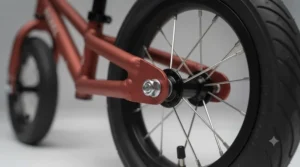
A sturdy steel balance bike for toddlers is a pedal-free bicycle built around a welded steel frame rather than aluminium, plastic or wood, designed for children roughly 18 months to five years old to learn steering and balance before progressing to a pedal bike. The steel construction typically adds weight compared with aluminium alternatives, but delivers greater resistance to dents, bends and general toddler-inflicted impact.
How to Choose a Sturdy Steel Balance Bike for Toddlers
Working through these criteria in order will save you from buying the wrong size or the wrong bike entirely.
- Measure your child’s inside leg first. Most steel balance bikes list a minimum inseam rather than just an age, and age ranges are notoriously approximate for toddlers of different heights.
- Check the seat adjustment range, not just the minimum height. A bike that only just fits now will be outgrown within months; look for at least 15-20cm of adjustment.
- Weigh the bike against your child’s weight. As a rough rule, the bike itself shouldn’t exceed roughly 30% of your toddler’s own body weight, or steering becomes a genuine struggle.
- Decide between foam and pneumatic tyres based on terrain. Foam suits pavements and indoor use with zero maintenance; pneumatic tyres grip better on grass and gravel but need occasional pumping.
- Look specifically for sealed bearings if the bike will live outdoors. Exposed bushings corrode faster in damp UK conditions, and this is exactly where budget metal balance bike models tend to cut costs.
- Confirm CE or UKCA marking and check for BS EN ISO 8098 compliance where the saddle height falls into that standard’s scope, as outlined in the EN 71 toy safety standard that underpins UK and EU testing requirements.
- Factor in resale value if you’re planning for more than one child. Premium steel brands with strong secondary markets, like Trybike, often work out cheaper per year of use than they first appear.
Steel vs Aluminium Balance Bikes for Toddlers
This is the comparison most parents actually agonise over once they’ve narrowed down a shortlist, and it’s worth being honest about the trade-offs rather than declaring one material an outright winner.
| Feature | Steel Frame | Aluminium Frame |
|---|---|---|
| Typical weight | Heavier, roughly 3-6.5kg | Lighter, roughly 2.5-4kg |
| Durability vs dents/impact | Excellent; resists bending | Good, but can dent more easily |
| Rust risk if stored outdoors | Higher without powder coating | Very low; naturally rust-resistant |
| Typical price point | Often cheaper at equivalent spec | Often pricier for same features |
| Repairability | Easier to weld/repair if damaged | Harder to repair once bent |
What the table above doesn’t fully capture is how much powder coating quality varies between brands – a well-coated steel frame like the Puky LR M or Strider 12 Sport can shrug off years of damp UK gardens, while a poorly finished budget frame will show surface rust within a season. For families prioritising low weight above all else, aluminium options like the Ridgeback Scoot are worth considering, but for pure impact resistance and lower upfront cost, steel remains the safer bet for a genuinely rough-and-tumble toddler.
Common Mistakes When Buying a Budget Metal Balance Bike
The single most common mistake is buying purely on age range without checking the actual seat height minimum – a “2-5 years” label means very little if your two-year-old is unusually tall or short for their age. A close second is assuming all steel frames are equally durable; wall thickness, weld quality and powder coating vary hugely between a £30 unbranded budget metal balance bike and a £90 established brand, even though both list “carbon steel frame” in the description.
Parents also frequently overlook tyre type until after purchase, then discover solid foam tyres feel harsh and bouncy on cobbles or gravel paths. Finally, skipping the weight capacity and rider weight limit is a mistake that only becomes obvious eighteen months later, when a growing four-year-old suddenly outpaces a bike built for a much younger, lighter toddler – checking this figure at purchase avoids an unnecessary second purchase.
Welded Joints Explained: What Actually Makes a Frame Sturdy
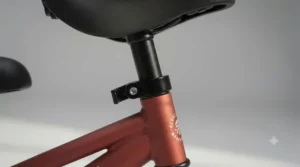
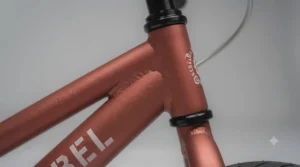
Every steel balance bike frame is essentially a handful of steel tubes joined together, and the welded joints are where nearly all real-world frame failures actually happen – not in the tubing itself. Here’s what most product listings won’t tell you: a smooth, evenly beaded weld around the head tube (where the fork meets the frame) and the seat tube junction indicates the manufacturer used consistent heat and pressure during welding, which directly correlates with how well that joint resists cracking under repeated toddler-scale impacts.
Reviewers consistently note that premium brands like Puky and Strider produce noticeably neater, more consistent welds than ultra-budget alternatives, where visible weld splatter or uneven bead lines can be an early warning sign of inconsistent manufacturing quality control. This isn’t purely cosmetic: the applicable UK and EU frameworks around bicycles for young children, summarised in the EU safety requirements for children’s bicycles and balance bikes, specifically address structural integrity requirements including joint strength, precisely because a failed weld under load is one of the more serious – if rare – failure modes on a toddler bike. Practically speaking, a quick visual check of the welds around the head tube and any footrest brackets before first use is a sensible five-minute habit, regardless of which of these seven bikes you choose.
Features That Actually Matter (And Those That Don’t)
Sealed bearings, a genuinely wide seat adjustment range, and a well-finished powder coat consistently separate the bikes that last from the bikes that don’t – these are worth paying extra for. A built-in footrest matters more than it sounds; reviewers across nearly every brand on this list mention it specifically as the feature that helps toddlers transition from tentative walking to confident coasting.
On the other hand, flashy extras like customisable name plates, colour-changing paint or bundled “protective gear sets” are genuinely nice-to-haves rather than durability factors – they influence how excited a toddler is to ride, not how long the bike lasts. Similarly, a hand brake sounds like an important safety feature, but most toddlers under three lack the fine motor control to use one effectively, making it a feature that matters far more from around age four upwards than it does on a first bike.
Long-Term Cost & Maintenance
| Budget Tier | Price Range | What You Typically Get | Example |
|---|---|---|---|
| Ultra-budget | £30-£50 | Basic bushings, foam tyres, no brake | BTWIN Runride 100, Dromlag LED Wheels |
| Mid-range | £45-£95 | Sealed bearings, better welds, wider adjustment | Puky LR M, Strider 12 Sport, KRIDDO Classic 12″ |
| Premium/convertible | £130+ | Pneumatic tyres, dual-stage use, strong resale | Trybike Steel 2-in-1 |
Looking at the total cost of ownership rather than the sticker price alone, a £45 budget metal balance bike that needs replacing after eighteen months due to seized bearings or a worn-out tyre can end up costing more per year of use than a £90 mid-range bike that lasts through to age five. Ongoing maintenance costs on steel balance bikes are genuinely minimal – a can of lubricant and the occasional bolt tightening covers most models for their entire working life, which is one of the quieter advantages steel and simplicity offer over anything with gears or a chain.
Safety, Regulations and Certification for UK Balance Bikes
In the UK, balance bikes fall under either the Toy Safety Regulations or the separate BS EN ISO 8098 cycling safety standard, depending on the saddle height of the specific model – bikes with a saddle height under roughly 435mm are generally treated as toys, while taller models fall under the dedicated children’s cycle safety standard. Either way, look for a CE or UKCA mark on the packaging, which indicates the manufacturer has self-certified compliance with the relevant requirements around sharp edges, structural strength, and choking hazards from small parts.
Beyond formal certification, a few practical safety habits matter more day-to-day: fitting a properly sized helmet every single time, checking tyre pressure on pneumatic models before longer outings, and periodically inspecting handlebar and seat clamps for looseness as your child rides more aggressively over time. Regular physical activity through balance bike riding also lines up with the broader UK physical activity guidance for young children, which recommends toddlers get at least 180 minutes of active play daily – active play a steel balance bike is particularly well suited to support, given how little maintenance stands between your child and actually riding it.
Second-Hand Resale Durability: What a Steel Frame Is Worth Down the Line
This is where a genuinely sturdy steel balance bike for toddlers earns back some of its upfront cost, and it’s an area budget plastic and unbranded metal bikes simply can’t compete in. Established steel brands hold noticeably higher resale value specifically because buyers on the second-hand market can trust the frame itself won’t have degraded significantly, even after visible cosmetic wear – a steel frame that’s scratched still functions exactly as well as a pristine one, which isn’t always true of brittle plastic alternatives that can develop hairline cracks invisibly.
The Trybike Steel 2-in-1 is the clearest example on this list, with aggregated resale market data putting its typical second-hand value around £75 – roughly half its original price, which is an unusually strong retention rate for a toddler product with a working life of only a couple of years per child. Branded budget options like BTWIN‘s Runride range also show a healthy second-hand market, reflected in customer feedback specifically noting the bike resold easily once outgrown. Before selling any steel balance bike on, a quick clean, a fresh coat of the original powder coat touch-up paint over any bare metal spots, and a check that both wheels still spin freely will noticeably improve what buyers are willing to pay.
Frequently Asked Questions
❓ Are steel balance bikes better than aluminium for toddlers?
❓ What age is a steel balance bike suitable for?
❓ Do steel balance bikes rust outdoors?
❓ How much should I pay for a sturdy steel balance bike for toddlers?
❓ Can a steel balance bike be used on grass and garden terrain?
Conclusion
Across these seven bikes, the pattern that stands out most is how little correlation there is between price and how well a steel frame actually holds up – the humble BTWIN Runride 100 and the premium Trybike Steel 2-in-1 both earn consistently strong reviews for durability, just at very different price points and with very different feature sets. What separates a genuinely sturdy steel balance bike for toddlers from a frustrating purchase usually comes down to weld quality, powder coating, and matching the bike’s size to your actual child rather than a generic age bracket on the box.
If you’re buying for a wobbly eighteen-month-old who’ll be outside in all weathers, lean toward the Strider 12 Sport or Gotrax Baby Balance Bike for their low entry point and light weight. If you’re planning for more than one child or want to recoup some cost later, the Trybike Steel 2-in-1‘s resale value is hard to beat. And if you simply want to test whether your toddler takes to two wheels at all, the BTWIN Runride 100 or Dromlag LED Wheels let you find out without much financial risk. Whichever you choose, a quick check of the seat height, the tyre type for your terrain, and the quality of those welded joints will steer you toward a bike that survives considerably more than one summer.
Recommended for You
- Aluminium vs Steel Balance Bike: 7 Best UK Picks (2026)
- Metal Balance Bike With Adjustable Seat: 7 Best Picks 2026
- Metal Balance Bikes: 7 Best Steel; Aluminium Picks (2026)
Disclaimer: This article contains affiliate links. As an Amazon Associate, I earn from qualifying purchases. If you purchase products through these links, we may earn a small commission at no additional cost to you.
✨ Found this helpful? Share it with your friends! 💬🤗
