In This Article
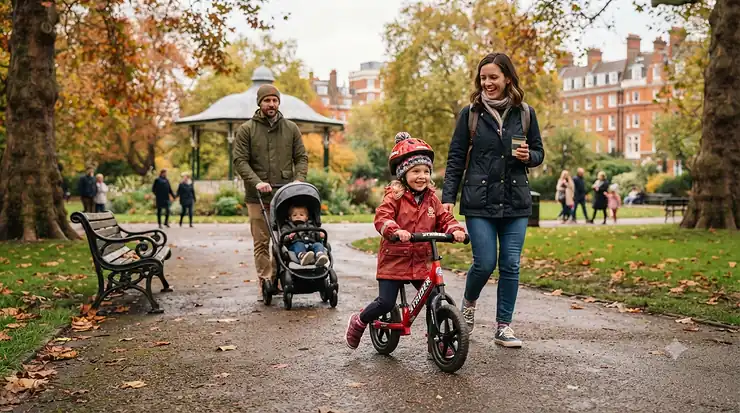
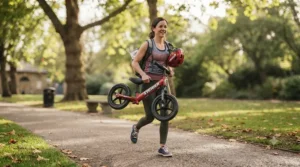
Picture a two-year-old, a slightly wonky pavement and a bicycle that weighs a quarter of the child’s own body. Somebody is about to have a bad afternoon. That single image explains why the Strider balance bike became the default recommendation on so many UK parenting sites: it flips the maths. At roughly 3kg, the Strider 12 Sport is light enough for a toddler to right after a topple, and that changes everything about whether they climb back on. Mumsnet’s reviewers put the bike’s weight at around 24 per cent of a typical two-year-old’s bodyweight, which is exactly why weight, not colour, should drive your decision.
So here’s the plan. A balance bike has no pedals, cranks or chain; children scoot along with their feet and learn to glide, steer and balance first. This guide ranks seven real options, from the Strider 12 Sport and its aluminium sibling to pricier rivals, then tackles two questions most buying guides skip: whether Amazon Warehouse deals are worth a look, and how seasonal sale timing can shave real money off a purchase. With Prime Big Deal Days landing on 6-7 October 2026, the timing question is very much live.
A quick word on method. I haven’t ridden, weighed or dropped any of these bikes myself. Everything below is analysis built from published specifications and the findings of UK reviewers, including Mumsnet’s parent testers, Cycling Weekly and road.cc, and it’s framed that way throughout. Prices are ranges rather than quotes, so check current price on Amazon UK before you commit.
Quick Comparison: Strider Balance Bike Models vs a Top Rival
| Model | Weight | Tyres | Price range | Best For |
|---|---|---|---|---|
| Strider 12 Sport | 2.9-3.0kg | Foam (EVA) | Around £100-£125 | First-time toddler riders on pavements |
| Strider 12 Pro | About 2.5kg | Foam (EVA) | Above the Sport, check current price | Small toddlers and racing-minded families |
| Strider 14x | 5.7kg (6.9kg with pedals) | Air | Around £200-£230, pedal kit extra | Taller 3-year-olds heading for pedals |
| Hornit AIRO | 2.95kg | Air | Around £140 | Families wanting a smoother ride on grass |
Looking at the table, the Strider 12 Sport and Strider 12 Pro share the same fit range and foam tyres, so the real choice between them is 400-odd grams and a rust-free frame. The Hornit AIRO matches the weight of the Strider 12 Sport while adding air-filled tyres, which matters most if your child lives on a lawn rather than a pavement. The Strider 14x is a different animal: heavier, taller, and built for children who have already outgrown a 12-inch frame.
💬 Just one click — help others make better buying decisions too!😊
Top 7 Strider Balance Bike Picks and Rivals: Expert Analysis
Every pick below is a real, currently listed model, and I’ve mixed budget, mid-range and premium choices so you can see where the money actually goes. Reviewer sentiment is summarised from published tests, not invented.
1. Strider 12 Sport — the lightweight benchmark
The Strider 12 Sport earns its place by being almost stubbornly simple: nothing to pump, nothing to puncture, nothing to fiddle with. On paper, a steel frame and EVA polymer tyres sound humble, but in practice they keep the weight near 3kg, so even an 18-month-old can lift it after a wobble. The seat and handlebar adjust with quick-release levers, and the fit range runs from a 30.5cm inside leg up to roughly 50.8cm, which is why it can serve a child from toddlerhood to about five. Maximum rider weight is 27kg.
Based on the spec comparison, this is the bike for parents who want the lightest sensible option without paying premium-brand money. Mumsnet’s parent tester praised the low weight and easy on-the-go adjustment, and other UK reviewers make the same point about the foam tyres: never flat, but less comfortable on rough ground. Cycles Prog noted the price feels premium for a mid-range bike.
Pros:
- ✅ Among the lightest 12-inch bikes available
- ✅ Tool-free seat and handlebar adjustment
- ✅ Puncture-proof tyres, virtually maintenance-free
Cons:
- ❌ No hand brake for confident older riders
- ❌ Foam tyres struggle on gravel and grass
Price range: around £100-£125, and it often looks like fair value given how long the age range stretches. Check current price before buying.
2. Strider 12 Pro — aluminium for the lightest ride
The Strider 12 Pro takes the same geometry as the Sport and swaps the steel for aluminium, which is where the saving lives. MBR weighed one at about 2.47kg, and Cycling Weekly quotes roughly 2.5kg, so you’re shaving around 400-700g depending on whose scales you trust. For a toddler weighing 12kg, that difference is not academic; it’s the gap between “I can pick this up” and “Mummy, help.”
What most buyers overlook is that the extra money buys a rust-free frame and a lighter bike, not a longer age range. The Strider 12 Pro fits the same 18-month-to-five window as the Sport. Cycling Weekly named it their best-value pick but flagged that it’s expensive for a toddler, and noted that at the lowest saddle setting the seatpost can poke out below and catch ankles.
Pros:
- ✅ Lightest Strider balance bike in the 12-inch range
- ✅ Aluminium frame won’t rust
- ✅ Same easy adjustments as the Sport
Cons:
- ❌ Priced above the Sport for a small saving
- ❌ Seatpost can catch ankles at lowest setting
Price range: above the Sport, so check current price on Amazon UK. Worth it for small toddlers or racers; otherwise the Sport is the sweeter spot.
3. Strider 14x — the balance-to-pedal bridge
The Strider 14x is the odd one out, and deliberately so. With 14-inch wheels, a 38-55cm saddle range and a 40-58cm inside-leg fit, it targets children roughly aged three to six who have outgrown a 12-inch frame. Balance mode weighs 5.7kg, and adding the separate pedal kit lifts that to 6.9kg, still remarkably light next to a typical 14-inch pedal bike.
Here’s what the spec sheet won’t tell you, but reviewers do: the very short crank arms mean it works better as a bridge than a long-term pedal bike. road.cc scored it 7/10, liked the conversion but questioned the saddle and brake-lever quality, and suggested a rival was better value. Two Wheeling Tots called it heavy for a balance bike, which is fair.
Pros:
- ✅ Converts to pedals without stabilisers
- ✅ Suits taller kids beyond 12-inch bikes
- ✅ Still far lighter than most 14-inch pedal bikes
Cons:
- ❌ Short cranks limit pedalling life
- ❌ Saddle and brake quality draw criticism
Price range: around £200-£230 for the balance bike, plus roughly £60 for pedals. Good value only if your child is genuinely ready to graduate soon.
4. Hornit AIRO — pneumatic tyres, featherweight frame
The Hornit AIRO is the rival most often set against the Strider balance bike in UK tests, and the reason is simple: it’s just as light but rolls on air-filled tyres. At a claimed 2.95kg, the magnesium-style frame keeps pace with the Strider 12 Sport, yet the pneumatic rubber soaks up bumps that foam tyres pass straight to a toddler’s spine. Six colours, grip-taped footrests and an optional lifetime warranty round out the pitch.
My read of the evidence is that this is the better pick for mixed surfaces. Mumsnet named it their best overall, and Cycling Weekly gave it five stars while noting that the paint chipped and the footplate could be bigger. Reviewers also flag that you need an Allen key to adjust the seat, which is a minor irritation next to Strider’s quick-release levers.
Pros:
- ✅ Air tyres for a smoother ride on grass
- ✅ Very light at roughly 3kg
- ✅ Grip-taped footrests for comfortable gliding
Cons:
- ❌ Seat adjustment needs an Allen key
- ❌ Paintwork reported to chip easily
Price range: around £140. Strong value if your child rides on more than tarmac. Check current price.
5. LittleLife Balance Bike — the budget-friendly grower
The LittleLife Balance Bike is the value play. At around 3.2kg it’s only a shade heavier than the lighter models here, yet it runs on 12-inch air-filled rubber tyres and carries a 30kg weight limit, higher than the 27kg ceiling on the Strider 12 Sport. The frame and handlebars are highly adjustable, and the age range runs from around two to six.
Mumsnet’s parent tester rated the adjustability as a real long-term advantage, calling it excellent value for growing children. The catches are practical rather than fatal: tyres arrive uninflated with no pump, dust caps are missing and the stickers look short-lived. In other words, it’s a smart pick if you’ll happily spend ten minutes with a pump.
Pros:
- ✅ Highly adjustable frame and handlebars
- ✅ Higher 30kg weight limit than most
- ✅ Air tyres grip well on grass
Cons:
- ❌ No pump included, tyres arrive flat
- ❌ Stickers unlikely to survive long
Price range: around £60-£70, making it the cheapest credible option on this list. Check availability on Amazon UK.
6. Frog Tadpole — brakes and a steering lock
The Frog Tadpole is the confidence builder. It comes with small, easy-to-reach brake levers and a steering lock that stops little hands over-turning, features that most Strider balance bike models deliberately leave out. The aluminium frame weighs about 4.17kg, so it’s heavier than the featherweights, but the chunky tyres and child-specific proportions make up for it. Cycling Weekly also highlights bigger-wheel Tadpole Plus versions for taller children who aren’t ready for pedals.
Reviewers consistently note the trade-off: heavier and pricier. A Mumsnet forum poster described it as slightly heavier than the others but a great bike, and another said Frog machines resell well. If you want a bike with brakes to teach stopping before pedals, this is the clearest route.
Pros:
- ✅ Rear brake levers sized for small hands
- ✅ Steering lock prevents oversteer
- ✅ Quick-release seatpost, aluminium frame
Cons:
- ❌ Heavier than lightest 12-inch rivals
- ❌ Wide saddle and premium pricing
Price range: around £130-£185. Worth it if braking practice matters to you.
7. Early Rider Charger 12″ — the “proper bike” feel
The Early Rider Charger 12″ is the premium end of the market. A lightweight aluminium frame, pneumatic tyres and a stable, responsive feel give it the character of a shrunken proper bicycle, at about 3.4kg. Mumsnet’s tester said it suits children ready for something more advanced: a two-year-old initially struggled with the weight, while a nearly-three and a four-year-old rode it confidently.
The analysis here is age-dependent. For the smallest riders, the Strider 12 Sport is easier; for confident three-year-olds, the Early Rider Charger 12″ feels sturdier and more “real.” The handlebars aren’t adjustable, so fit relies on the saddle alone, and the seat needs an Allen key.
Pros:
- ✅ Sturdy, well-engineered aluminium frame
- ✅ Large air tyres handle mixed terrain
- ✅ Realistic feel prepares children for pedals
Cons:
- ❌ Handlebars aren’t adjustable
- ❌ Too heavy for very small toddlers
Price range: around £175-£205. Premium, but resale demand for the brand is typically strong.
Side-by-Side: All Seven at a Glance
| Model | Weight | Wheels and tyres | Age/fit | Price range | Best For |
|---|---|---|---|---|---|
| Strider 12 Sport | 2.9-3.0kg | 12″ foam | 18 months-5 years | Around £100-£125 | Lightweight all-rounder |
| Strider 12 Pro | About 2.5kg | 12″ foam | 18 months-5 years | Above the Sport | Smallest toddlers |
| Strider 14x | 5.7kg | 14″ air | 3-6 years | Around £200-£230 | Balance-to-pedal upgrade |
| Hornit AIRO | 2.95kg | 12″ air | 18 months-5 years | Around £140 | Grass and mixed surfaces |
| LittleLife Balance Bike | 3.2kg | 12″ air | 2-6 years | Around £60-£70 | Budget buyers |
| Frog Tadpole | 4.17kg | 12″ hybrid | 2-3 years | Around £130-£185 | Braking practice |
| Early Rider Charger 12″ | 3.4kg | 12″ air | 2-4 years | Around £175-£205 | Confident 3-year-olds |
The table makes one thing obvious: the Strider 12 Sport and Strider 12 Pro win on weight, while the air-tyre rivals win on surface versatility. If your child is under two, start with a Strider balance bike; if they’re nearer three and ride on grass, the Hornit AIRO or Early Rider Charger 12″ deserve a look. Budget buyers should note that the LittleLife Balance Bike costs roughly half what the Strider 12 Sport does.
What Is a Strider Balance Bike?
A Strider balance bike is a pedal-free children’s bike from the brand Strider, built for toddlers from around 18 months. Children sit on a padded seat and push along with their feet, learning balance and steering first. Lightweight frames, adjustable seat heights and puncture-proof foam tyres are its signature features, so pedals or stabilisers aren’t needed.
Why does that matter? Cycling Weekly points out that a child who has graduated from a balance bike mainly just adds pedalling to skills already learned. Isla Rowntree, founder of Islabikes, has argued that stabilisers effectively teach a child to steer a tricycle rather than lean like a bicycle. Strider itself has been making pedal-less bikes since 2007, per one UK review, and today’s range covers the steel Strider 12 Sport, the aluminium Strider 12 Pro and the larger Strider 14x.
How to Choose a Strider Balance Bike: 7 Steps
- Measure the inside leg first. Cycling UK advises that your child should sit comfortably with knees slightly bent and feet flat on the floor. Cycling Weekly adds that the lowest saddle setting should sit about an inch below their inseam. Check that against the Strider 12 Sport minimum of 30.5cm.
- Weigh up the weight. Mumsnet’s guidance is that a bike shouldn’t exceed 30 per cent of your child’s bodyweight, with 3kg a good marker for most toddlers.
- Pick your tyres. Foam is lighter and puncture-proof but grips less; air tyres ride smoother on grass. Pavement-only families suit a Strider balance bike.
- Decide on brakes. Little feet stop most balance bikes, but a rear brake builds a skill they’ll reuse on pedals.
- Look for a wide adjustment range. Two to three years of use is the realistic goal.
- Choose the model. Steel Sport for value, aluminium Pro for ultimate lightness, 14x for taller kids.
- Set a budget and resale plan. A Cycling UK buying guide reminds parents that a bike that fits and is enjoyed is the best investment; a lighter, better-known model also tends to resell more easily.
Strider 12 Sport Explained: Specs, Fit and Real-World Verdict
Because the Strider 12 Sport is the anchor of most Strider balance bike searches, it deserves a proper look beyond the spec sheet. Fit is the headline: the seat adjusts from roughly 28cm to 43cm, and the bike accepts inside legs from 30.5cm, so a petite 18-month-old can straddle it. The 2.9kg weight, per Mumsnet, is light enough that parents have clipped it to the back of a compact buggy.
Read reviewer sentiment carefully and a pattern emerges. Praise clusters around weight, quick adjustments and the comfortable footrest; complaints cluster around the lack of a brake and the foam tyres on rough terrain. A two-year warranty against manufacturer defects also comes with the bike, according to the same Mumsnet review.
Who should skip it? Families whose toddlers ride mostly on grass, or children already nearer four and comfortable at speed, may find the Hornit AIRO or Frog Tadpole better suited. For everyone else, the Strider 12 Sport remains the low-fuss option.
Practical Usage Guide: Setting Up a Strider Balance Bike and the First 30 Days
Amazon listings tell you the bike exists; they don’t tell you how to get the best from it. Here’s a first-month plan, based on manufacturer specs and the advice in the reviews above.
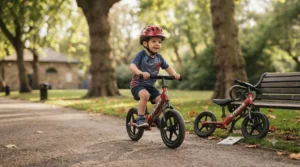
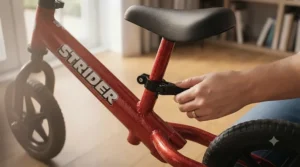
Day one: fit it properly. Set the saddle so your child’s feet sit flat with a slight knee bend. The Strider balance bike quick-release levers make this tool-free, which is handy when growth spurts arrive. Raise the handlebars if your child is leaning forward awkwardly.
Week one: play, not riding. Let them walk around with it between their legs indoors. Reviewers describe toddlers treating the bike as a toy at first; that’s normal and useful.
Weeks two to three: gliding. Encourage short scoots, then lifted feet on a gentle, empty stretch of pavement or park path. Avoid slopes; gravity is not a patient teacher.
Week four: check and maintain. Wipe down the frame, check that clamps are snug and inspect the grips. Foam tyres need no pumping, whereas the LittleLife Balance Bike or Hornit AIRO should have their tyre pressure checked.
Common first-month mistakes: setting the saddle too high, riding downhill too early and forgetting a helmet.
Real-World Scenarios: Which Bike for Which Family?
Scenario one: the flat-dweller with a buggy. You live in a second-floor flat, the nursery run is 400 metres, and your 20-month-old weighs about 11kg. Budget: around £100-£125. Weight and portability win, so the Strider 12 Sport (or the Strider 12 Pro if you’ll pay more for lightness) is the natural choice.
Scenario two: two siblings and a garden lawn. You have a three-year-old and a one-year-old, the bike will be handed down, and most riding happens on grass. The LittleLife Balance Bike (around £60-£70) or Hornit AIRO (around £140) make sense because air tyres cope better with turf.
Scenario three: the tall three-and-a-half-year-old. Your child has legs like a giraffe and is bored of the small bike. The Strider 14x or the Early Rider Charger 12″ suit this stage, budget around £175-£230, and you’ll ride at weekends on park paths.
✨ Don’t Miss These Exclusive Deals!
🔍 Take your search for the perfect Strider balance bike to the next level with these carefully selected products. Click on any highlighted product to check current pricing and availability. These bikes will help you build the kind of confident first-ride memories your family will love!
Strider Balance Bike vs Alternatives: Trikes, Stabilisers and Pneumatic Rivals
A Strider balance bike isn’t the only route to two wheels, so how does it compare?
| Option | Learning benefit | Weight and handling | Best For |
|---|---|---|---|
| Strider 12 Sport balance bike | Balance and steering first | About 3kg, easy to lift | Toddlers 18 months+ |
| Hornit AIRO (air tyres) | Same skills, smoother ride | About 2.95kg | Grass and bumpy paths |
| Tricycle | Pedalling and steering | Often 6kg or more | Very young riders |
| Pedal bike with stabilisers | Pedalling, less balance | Heavier, rigid stance | Older children only |
Comparing these options, balance bikes teach leaning and steering at low speed, while stabilisers hold a bike rigidly upright, which is precisely Rowntree’s objection. Trikes are stable but heavy, and you can’t easily lift them. Between the two balance-bike types, foam-tyred models like the Strider 12 Sport suit hard surfaces; the Hornit AIRO suits softer ones.
Mumsnet also points to published research supporting balance bikes as an efficient introduction to cycling, though I’d treat that as supportive rather than conclusive.
Amazon Warehouse Deals: Can You Buy a Strider Balance Bike for Less?
Here’s a wrinkle worth knowing: Amazon’s UK arm has rebranded Amazon Warehouse as Amazon Resale, though many shoppers still search for Amazon Warehouse deals. Items are returned, open-box or refurbished, and each one is graded “Like New,” “Very Good,” “Good” or “Acceptable.”
For a Strider balance bike, the sweet spot is Like New or Very Good. Amazon describes Like New as perfect working condition with all essential accessories, though the packaging may be damaged. For a foam-tyred bike with almost nothing to wear out, that’s a low-risk trade-off.
A quick checklist for Amazon Warehouse deals:
- Read the condition note for missing accessories, such as the handlebar pad or the seat.
- Check the listing photos for frame scratches or bent handlebars.
- Confirm the bike is the model you expect: Strider 12 Sport, Strider 12 Pro or Strider 14x.
- Remember that Amazon says Resale purchases are covered by its returns policy.
One honest caveat: availability of Amazon Warehouse deals on any specific bike is unpredictable, and I can’t promise a discount exists. Nor does buying through any link get you a better price. Treat it as a bonus option, not a strategy.
Features That Actually Matter (And Those That Don’t)
Marketing loves a feature list. Here’s my filter, built from the spec comparison and reviewer feedback.
Matters: weight (a kilogram is a large fraction of a toddler), fit range, and tyre type. The Strider 12 Sport nails the first two; the Hornit AIRO wins on the third for grass.
Matters somewhat: footrests. Mumsnet flagged the Strider 12 Sport footrest as comfortable, and the Hornit AIRO has grip-taped ones. Once kids start gliding, they help.
Doesn’t matter much: fancy paint, sticker packs and accessory baskets. Cycling Weekly noted paint chipping on the Hornit AIRO and reviewers wouldn’t let it dent the score.
Depends on your child: brakes. The Frog Tadpole includes them, but many balance bikes, including every Strider balance bike model in the 12-inch range, rely on feet to stop.
Common Mistakes When Buying a Strider Balance Bike
Mistake one: buying for the child they’ll be, not the one they are. A bike that’s too big discourages toddlers. The Early Rider Charger 12″ has an ideal reputation, yet one Mumsnet tester’s two-year-old found it heavy.
Mistake two: ignoring surfaces. Foam tyres are brilliant on pavements and disappointing on rough grass. Plan for where you’ll actually ride.
Mistake three: skipping the inside-leg measurement. Age ranges are guides; inseam is the truth.
Mistake four: assuming premium means better for you. The Strider 12 Pro is lighter than the Sport, but if your child weighs 14kg and rides pavements, the extra spend may buy little.
Mistake five: forgetting resale. Reviewers regularly mention that well-known brands hold value, so keep the bike clean, keep the box if you can, and think of the purchase as rented for a couple of years.
Seasonal Sale Timing: When to Buy a Strider Balance Bike
Seasonal sale timing is where patient parents win. Amazon has confirmed that Prime Big Deal Days runs 6-7 October 2026, with deals for Prime members across categories that include toys. Black Friday itself falls on 27 November, with Amazon’s Black Friday week expected to start in the week beforehand, though exact dates hadn’t been confirmed at the time of research.
A practical calendar for seasonal sale timing:
| Window | What to know |
|---|---|
| 6-7 October 2026 | Prime Big Deal Days, Prime members only |
| Late November 2026 | Black Friday and Cyber Monday deals |
| December | Peak gifting, watch for stock gaps |
| Early 2027 | January sales and a possible spring event |
None of this guarantees a Strider 12 Sport or Strider 14x will be discounted; Amazon’s deal events are selective. My analytical take: if you’re buying for a summer birthday, setting a deal alert during the October and November events and watching the price range costs nothing. Amazon says members can set deal alerts on specific products ahead of Prime Big Deal Days. If you don’t need the bike urgently, seasonal sale timing rewards patience; if your toddler is riding soon, waiting has its own cost.
Long-Term Cost and Resale Value
Cost per month is the fairest way to compare. Cycling Weekly suggests a balance bike typically lasts two to three years, so let’s spread the price.
| Model | Price range | Rough cost per month (24-36 months) |
|---|---|---|
| LittleLife Balance Bike | Around £60-£70 | About £2-£3 |
| Strider 12 Sport | Around £100-£125 | About £3-£5 |
| Hornit AIRO | Around £140 | About £4-£6 |
| Early Rider Charger 12″ | Around £175-£205 | About £5-£9 |
| Strider 14x (balance only) | Around £200-£230 | About £8-£10 (24 months) |
These are illustrative calculations, not quotes. They show the Strider 12 Sport costing roughly a small coffee a month, which is good value if resold. Cycling Weekly advises that well-known brands hold value, and buying second-hand is a legitimate option. The Strider 14x looks pricier per month, but its pedal-kit route can replace a separate first pedal bike, which is where the real saving hides.
Safety, Standards and UK Rules
Safety around a Strider balance bike is mostly common sense with a few UK specifics. There’s no law requiring children to wear cycle helmets in the UK, but the Highway Code advises wearing a properly fitting one, and Cycling Weekly recommends kids’ helmets alongside first bikes. I’d treat a helmet as non-negotiable.
Check the listing or box for the manufacturer’s safety markings such as UKCA or CE, and respect the stated weight limit: 27kg on the Strider 12 Sport, 30kg on the LittleLife Balance Bike, 36kg on the Strider 14x.
Keep toddlers on quiet paths, parks or gardens, away from roads and steep slopes, since most 12-inch balance bikes, including the Strider 12 Sport, have no brake. If you buy through Amazon Warehouse deals, inspect the frame, fork and grips on arrival before your child rides.
FAQ
❓ Is a Strider balance bike worth the money in the UK?
❓ Can I find a Strider balance bike in Amazon Warehouse deals?
❓ What's the best month for seasonal sale timing on a balance bike?
❓ What size Strider balance bike suits a two-year-old?
❓ Does the Strider 12 Sport have a brake?
Conclusion
So, where does that leave you? If you want the shortest route to a happy toddler, the Strider 12 Sport is hard to beat: light, adjustable and almost maintenance-free. Pay more for the Strider 12 Pro only if every hundred grams matters; choose the Hornit AIRO if grass is your child’s natural habitat; go for the LittleLife Balance Bike if the budget is tight; and look at the Strider 14x or Early Rider Charger 12″ when your child has outgrown the basics.
Buying smart matters as much as buying right. Amazon Warehouse deals can trim the cost when the right condition grade turns up, and seasonal sale timing around Prime Big Deal Days and Black Friday rewards families who can wait. Whatever you choose, remember what the reviews keep saying: the best Strider balance bike, or any balance bike, is the one your child wants to climb back onto.
✨ Ready to get rolling?
🔍 Compare the options above, check current pricing and availability on Amazon UK, and give your little rider the best possible start on two wheels! 🚴♂️🎉
Recommended for You
- Sturdy Steel Balance Bike For Toddlers: 7 Best UK Picks (2026)
- Aluminium vs Steel Balance Bike: 7 Best UK Picks (2026)
- Metal Balance Bike With Adjustable Seat: 7 Best Picks 2026
Disclaimer: This article contains affiliate links. As an Amazon Associate, I earn from qualifying purchases. If you purchase products through these links, we may earn a small commission at no additional cost to you.
✨ Found this helpful? Share it with your friends! 💬🤗
