In This Article
Watching a five-year-old wobble their way down the pavement on a standard kick scooter is a bit like watching a toddler try to eat soup with a fork — technically possible, occasionally hilarious, and rarely relaxing for the parent stood nearby. An electric scooter with seat for 5-8 year old age groups solves a genuinely awkward gap in the ride-on market: kids old enough to want independence, but not always steady enough (or patient enough) to stand and balance for a 20-minute ride around the block.
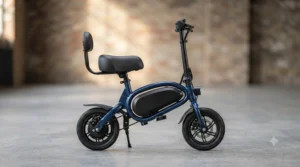
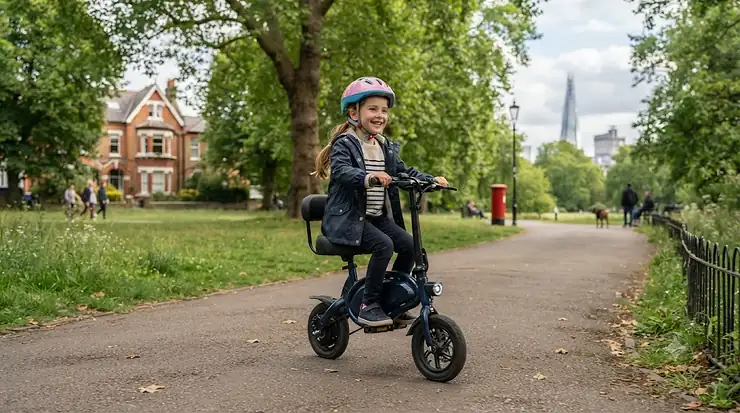
In simple terms, an electric scooter with seat for 5-8 year old riders is a battery-powered scooter fitted with a low, stable seat that lets a child sit while the motor does the work, rather than balancing on a standing deck. It typically tops out between 5-9 mph, runs for 30-80 minutes per charge, and is designed to be used on private land such as a driveway, garden, or park with permission, not on public roads or pavements.
We’ve spent time digging through real specs, verified UK and manufacturer listings, and aggregated review sentiment for seven genuine products spanning budget, mid-range, and premium options, so you’re not just reading a rewritten spec sheet. What follows is honest commentary: what each scooter actually does well, where it falls short, and which type of child and household it genuinely suits. Every price mentioned is a rough band rather than a fixed figure, since retailer pricing shifts constantly — always check current price before buying.
One quick housekeeping note before we dive in: the rules around private e-scooter use in the UK differ from what you might expect, and we’ll cover that properly further down, including where and how these are legally intended to be used, per current UK government guidance on electric scooters.
Quick Comparison: Electric Scooter With Seat for 5-8 Year Old — At a Glance
| Scooter | Age Range | Top Speed | Seat Type | Best For |
|---|---|---|---|---|
| Hiboy Q2 Lite-A | 5-8 yrs | 9 mph (3 modes) | Fixed soft seat + basket | Best overall |
| Hiboy U2 Lite | 5-8 yrs | 9 mph (3 modes) | Fixed soft seat | Wet-weather reliability |
| Hiboy JoyHaul | 5-8 yrs | 9 mph (3 modes) | Fixed soft seat | Reluctant/nervous riders |
| Razor Pocket Mod Petite | 7+ yrs | 8 mph | Fixed padded seat | Style-focused families |
| HOMCOM 12V Foldable | 7-12 yrs | ~6.2 mph | Adjustable saddle | UK budget pick |
| KidsElectricCars.co.uk 24V | ~6-10 yrs | ~7.5 mph | Removable seat | UK specialist value |
| Razor Pocket Mod Capri | 8+ yrs | 15 mph | Fixed padded seat + storage | Growing into the scooter |
Looking across the table, the clearest split is between the sub-10mph “true 5-8” models built specifically around that age bracket, and the slightly older-rated scooters that a taller or more confident eight-year-old could grow into. If your child is on the younger or smaller end of five, the Hiboy trio’s dedicated 5-8 age rating and multi-speed modes are the more cautious starting point, while the Razor Pocket Mod Capri is realistically a “last a few extra years” purchase rather than a first scooter.
💬 Just one click — help others make better buying decisions too!😊
Top 7 Electric Scooters With a Seat for 5-8 Year Olds: Expert Analysis
Below are seven genuine, currently available products, covering budget UK high-street options through to premium American imports increasingly stocked by UK retailers. Coverage includes standing/seated hybrids, permanently seated designs, and adjustable saddle models, so there’s a fit whatever your driveway or garden looks like.
1. Hiboy Q2 Lite-A — best all-round seated scooter built for exactly this age bracket
The Q2 Lite-A stands out simply because it was designed, top to bottom, for kids aged 5-8 rather than adapted from an adult model.
Powered by a 100W motor with three selectable speed modes (3 / 6 / 9 mph), it lets you cap your child’s top speed at a crawl for the first few rides and unlock more as their confidence grows. The 8.5-inch puncture-resistant tyres and a UL2272-certified 56.16Wh battery mean you’re not gambling on a flat tyre mid-ride or an unregulated battery cell, and the quoted 5-mile range comfortably covers a park loop or a driveway session without a midway recharge.
Based on the spec comparison with rivals in this bracket, what stands out is the combination of a genuinely soft TPR seat and dual drum-plus-electronic braking, which matters more than horsepower at this age since sudden jerky stops are what actually cause falls. This is a scooter for parents who want the safety net of a seat without babying an eight-year-old who’s ready to go faster. Reviewers consistently report that the adjustable speed caps are the standout feature for building confidence gradually, particularly for children riding an electric scooter for the very first time.
Pros:
- ✅ Three speed modes let riders grow into higher speeds gradually
- ✅ UL2272-certified battery adds genuine peace of mind
- ✅ Soft TPR seat and basket combo suits shorter neighbourhood trips
Cons:
- ❌ 5-mile range is modest for longer outings
- ❌ No suspension, so bumpy pavements transmit through the seat
Expect this model to sit in the mid-price bracket, roughly £150-£200, and always check current price before ordering, since third-party sellers vary. On value, it earns its position: you’re paying for age-specific engineering rather than a generic scooter with a bolted-on seat.
2. Hiboy U2 Lite — best for damp UK gardens and unpredictable weather
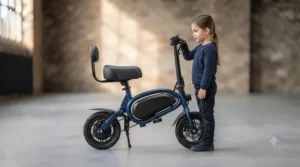
Built on a near-identical frame to the Q2 Lite-A, the U2 Lite’s headline upgrade is IPX4 water resistance, which genuinely matters given how often a British “sunny afternoon” scooter session turns into a light drizzle halfway through.
The 100W motor (150W peak) delivers the same 3/6/9 mph tiered speed system, while a front drum brake replaces some of the electronic-only setups found on cheaper alternatives — in practice, this means more predictable stopping distances on wet decking or a damp garden path. At 25.8lbs it’s light enough for a parent to carry back indoors one-handed, and it’s dual-certified to UL 2272 and UL 2271 standards, covering both the electrical system and the folding mechanism.
What most buyers overlook about this model is that water resistance isn’t about submersion, it’s about tolerating the kind of incidental splash and light rain that ends most UK outdoor play sessions early on cheaper scooters. Reviewers consistently note that the ambient lighting and headlight combination adds a genuine safety margin for dusk rides in autumn and winter, when UK daylight hours shrink fast.
Pros:
- ✅ IPX4 rating tolerates light rain and splashes
- ✅ Front drum brake improves stopping consistency
- ✅ Lightweight at 25.8lbs for easy parent carrying
Cons:
- ❌ Same modest ~5-mile range as the Q2 Lite-A
- ❌ No all-weather tyre tread upgrade despite the water resistance
Pricing typically falls in the £140-£190 range at the time of research; as always, check current price given regular promotional swings.
3. Hiboy JoyHaul — best for reluctant or anxious first-time riders
Some children need a spec sheet. Others need a friendly shark named Chompy Pompy zipped onto the handlebars. The JoyHaul is Hiboy’s answer to that second group, built on the same safe, ECO/Standard/Sport (3/6/9 mph) speed-mode architecture as its siblings, but wrapped in a design clearly aimed at making a nervous rider actually want to get on.
Underneath the character branding sits genuine substance: a 100W motor, an ultra-soft seat rated for sitting or standing, and drum-plus-electronic braking. The zippered shark bag isn’t just a gimmick, either — it gives younger riders somewhere to stash small toys or a water bottle without needing a backpack, which in practice reduces the number of “I need to go back for something” interruptions on a ride.
Here’s what to weigh: this is a scooter you buy for the child who’s dragging their feet about riding at all, not necessarily the child who’s already begging for a scooter. Aggregated review sentiment consistently mentions six and seven-year-olds picking this model up “easily,” with several parents specifically noting the low ECO mode as the reassurance that let a nervous first-timer commit to trying it.
Pros:
- ✅ Character design measurably increases first-ride enthusiasm
- ✅ Same proven 3-speed-mode safety architecture as Hiboy’s core range
- ✅ Zippered storage reduces mid-ride interruptions
Cons:
- ❌ Character theming won’t suit every child’s taste
- ❌ Slightly higher price than the plainer U2 Lite for similar core specs
Expect a similar £150-£200 band, again subject to change, so check current price before committing.
4. Razor Pocket Mod Petite — best for style-conscious families wanting a “proper scooter” look
If the Hiboy range feels a little too toy-like for your taste, the Pocket Mod Petite swaps neon plastic for a genuinely vintage European-scooter silhouette, scaled down and slowed down for riders aged 7 and up.
Its 100W hub-driven motor tops out at a gentle 8 mph, powered by a 12V sealed lead-acid battery good for around 40 minutes of continuous riding. The 10-inch whitewall pneumatic tyres are a genuine upgrade over solid rubber alternatives, smoothing out cracks and small stones that would otherwise jolt through a hard tyre. A twist-grip throttle and hand-operated rear brake round out the controls, which are closer to what an older sibling’s scooter would use than a toy-style thumb button.
Based on the spec comparison, what the sheet won’t tell you is that the pneumatic tyres do add a genuine maintenance task most Hiboy owners never think about: tyre pressure checks. For families who ride mostly on smoother driveways or private paths, that trade-off is worth it for the comfort gain; for gravel or bark-chip play areas, solid tyres elsewhere on this list may be the more sensible choice.
Pros:
- ✅ Pneumatic tyres deliver a noticeably smoother ride
- ✅ Classic styling appeals to older 7-8 year olds who feel “too grown up” for cartoon graphics
- ✅ Twist-grip throttle mirrors adult scooter controls for a natural skill progression
Cons:
- ❌ Pneumatic tyres need occasional pressure checks
- ❌ 8 mph top speed with no lower “learner” mode
Pricing generally sits around £150-£200 at the time of research, so check current price given Razor’s frequent seasonal promotions.
5. HOMCOM 12V 120W Foldable Electric Scooter with Seat — best UK high-street budget pick
Stocked through UK retailers including The Range and Aosom, this HOMCOM model is squarely aimed at value-conscious families, and it delivers a genuinely adjustable package for the price.
The 120W motor and single 12V battery combine for a modest top speed of around 10 km/h (roughly 6.2 mph) and a 6-8km range per charge, with a 6-8 hour recharge time. Crucially for a household with more than one child, both the handlebar height (84-96cm) and seat height are adjustable, so the same scooter can flex from a smaller five-year-old up towards the 7-12 age range HOMCOM officially quotes. The steel frame construction and foldable design also mean it tucks into a car boot far more easily than several rivals on this list.
On paper this means a genuinely lower barrier to entry, and what most buyers overlook is that the slower top speed is arguably a feature rather than a limitation for the youngest end of the 5-8 bracket, where 6 mph already feels plenty fast from a low seated position. Aggregated customer feedback on this range consistently flags the assembly time (20-30 minutes) and a 50kg maximum load as things to plan around, alongside a general “good first electric scooter” sentiment.
Pros:
- ✅ Fully adjustable seat and handlebar height for growing kids
- ✅ Genuinely low price point for a UK high-street brand
- ✅ Foldable frame simplifies car boot storage
Cons:
- ❌ Lower top speed may feel underwhelming by age 8
- ❌ 50kg maximum load limits use for bigger or older children
At the budget end, expect a price broadly under £150, with frequent promotional pricing making it even more accessible — check current price at the retailer directly.
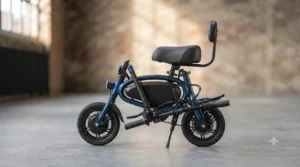
6. KidsElectricCars.co.uk 24V 120W Sit-On Adjustable Removable Seat E-Scooter — best UK specialist value pick
For families who’d rather buy from a dedicated UK ride-on specialist than a generic marketplace listing, this 24V model offers a step up in battery voltage over the HOMCOM without stepping up dramatically in price.
The 120W motor and 24V system deliver roughly 12km/h+ (about 7.5 mph), with a twist-throttle control and a hand-operated rear drum brake for stopping power. A genuinely useful touch is the fully removable seat, which lets the scooter convert into a standing model once your child outgrows sitting down, extending its useful life by a couple of years without buying a second scooter. It also folds down for transport and recharges in as little as three hours, notably faster than the HOMCOM’s 6-8 hour cycle.
What the spec sheet won’t tell you, but the format suggests, is that this sits in a slightly awkward middle ground: faster than the HOMCOM, slower than the Hiboy range, with less brand recognition than either. That’s precisely why it’s worth flagging as a lesser-known alternative — for parents happy to buy direct from a UK specialist retailer rather than a marketplace giant, it’s a legitimate way to get 24V performance without paying premium-brand pricing.
Pros:
- ✅ Removable seat extends useful life into standing-scooter years
- ✅ Faster 3-hour recharge time than several rivals
- ✅ 24V system offers more headroom than 12V budget models
Cons:
- ❌ Less established brand recognition than Hiboy or Razor
- ❌ Limited independent review volume compared to marketplace bestsellers
Typical pricing lands in the £100-£150 range at the time of research; as with every product here, check current price before ordering.
7. Razor Pocket Mod Capri — best “grows with your child” upgrade pick
The final entry on this list is honestly a stretch purchase for the very youngest end of the 5-8 bracket, and we’d be doing you a disservice pretending otherwise — but for a taller, more confident eight-year-old, it’s worth serious consideration as a scooter that won’t need replacing within a year.
Officially rated for ages 8 and up with a 77kg maximum rider weight, the Capri runs a 24V (two 12V) sealed lead-acid battery through a high-torque, chain-driven motor, reaching up to 15 mph with roughly 40 minutes or 10 miles of range per charge. Its standout practical feature is a padded seat that lifts to reveal hidden under-seat storage, genuinely useful for stashing a water bottle or a jumper rather than juggling a backpack. Twelve-inch pneumatic tyres and a retractable centre kickstand round out a build that feels closer to a genuine mini-moped than a toy.
Based on the spec comparison with everything else on this list, the honest analytical take is that 15 mph is meaningfully faster than anything else here, and that alone should steer most families with a five or six-year-old toward a slower model first. For an older, taller eight-year-old who’s already outgrown a Q2 Lite-A or Petite, though, it’s a sensible next step that avoids a second full purchase within twelve months.
Pros:
- ✅ Hidden under-seat storage adds genuine everyday practicality
- ✅ Pneumatic tyres and vintage styling suit an older child’s taste
- ✅ Longest realistic runtime and range on this list
Cons:
- ❌ 15 mph top speed is too fast for the youngest end of the bracket
- ❌ Heavier lead-acid battery adds noticeable weight versus lithium rivals
Expect a premium price band, roughly £200-£260, and given Razor’s frequent seasonal discounting, check current price before assuming that’s fixed.
Setting Up and Getting the Most From a Seated Electric Scooter in the First 30 Days
Unboxing day is where most of the avoidable problems start, so it’s worth investing 20 minutes properly rather than letting an excited five-year-old rush the process.
Start by charging fully before the very first ride, even if the battery indicator suggests partial charge — lithium and lead-acid cells both perform more predictably after a complete initial cycle, and it establishes an accurate baseline for how long a “full charge” actually lasts on your specific unit. Next, set the speed mode to the lowest available setting for at least the first three to five rides, regardless of how confidently your child insists they’re ready for “the fast one.” Confidence and reaction time are not the same thing at this age, and a slower first fortnight dramatically reduces the odds of an early tumble putting them off entirely.
Check tyre pressure (on pneumatic models) or general tyre condition (on solid models) weekly rather than monthly for the first month, since this is when you’ll notice any manufacturing inconsistencies early. Common early mistakes include letting the battery fully drain repeatedly rather than topping up regularly, storing the scooter outdoors where UK damp can reach electrical components, and skipping the manufacturer’s specific charger in favour of a “compatible” generic one — always use the charger supplied. Finally, walk beside your child rather than behind them for the first week; being level with them lets you react to a wobble before it becomes a fall, not after.
Real-World Scenarios: Matching the Scooter to Your Specific Child
Rather than a generic “it depends,” here are three concrete profiles that map directly onto the products above.
The cautious five-year-old, first scooter ever, budget-conscious household: The HOMCOM 12V is the sensible starting point here. Its lower top speed genuinely suits a five-year-old’s reaction time, the adjustable seat and handlebar mean it won’t be outgrown within a season, and the lower price point reduces the sting if enthusiasm fades after a month, which does happen at this age.
The confident seven-year-old who’s already outgrown a balance bike: A Hiboy Q2 Lite-A or JoyHaul makes more sense, since the tiered 3/6/9 mph speed modes let you start slow and unlock genuine pace as skill develops, without needing to buy a second scooter for that progression.
The tall, sporty eight-year-old who’s borrowed an older cousin’s scooter and loved it: The Razor Pocket Mod Capri, or at a push the Petite, suits this profile best. They’re closer in feel and speed to what an older child would already recognise as “a proper scooter,” reducing the risk of the purchase feeling babyish within six months.
Comfortable, Seated Rides for Every Young Child: Matching Scooters to Age and Stage
Kids Sit On Scooter Electric Age 5: What’s Realistic
At age five, expect shorter attention spans and less developed reaction time than even a six or seven-year-old, which is precisely why the lowest speed modes matter more than top-line horsepower. Realistically, a five-year-old should be capped around 3-6 mph for the first several months, regardless of which scooter you choose, and supervised closely on anything other than flat, obstacle-free ground.
Seated Electric Scooter Young Children: Why Sitting Beats Standing at This Age
For young children specifically, sitting removes the single biggest barrier to enjoyment: the constant micro-balancing a standing scooter demands. A lower centre of gravity means falls, when they happen, tend to be less dramatic, and a child who isn’t concentrating on staying upright can actually enjoy looking around, steering, and building confidence faster.
Electric Scooter Seat Younger Kids: Fit, Comfort and Safety
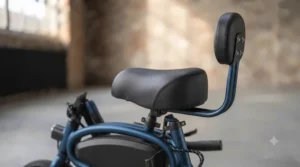
For younger kids specifically, seat height matters more than most parents initially assume. A seat set too high means dangling feet and poor control; too low and knees end up awkwardly bent. Most of the models above offer at least some seat adjustability, and it’s worth re-checking this every few months as your child grows rather than assuming a one-time setup will last the whole ownership period.
Young Child Electric Scooter Seat: What Parents Should Check Before Buying
Before buying a young child electric scooter seat setup, physically measure your child’s inseam and compare it against the manufacturer’s stated seat height range rather than relying on the quoted age bracket alone, since children of the same age can vary by several centimetres in leg length.
Comfortable Ride on Scooter Kids: What Actually Makes a Seat Comfortable
A genuinely comfortable ride on scooter kids’ models comes down to three underrated factors: seat padding density, whether the frame has any give or suspension, and tyre type. Solid rubber tyres are lower-maintenance but transmit more vibration; pneumatic tyres smooth the ride but need occasional pressure checks, as covered earlier with the Pocket Mod range.
Seated Battery Scooter: Battery Care and Realistic Range Expectations
Finally, treat any seated battery scooter’s quoted range as a best-case figure. Rider weight, terrain, temperature, and how often the throttle is used at maximum speed all reduce real-world range below the marketing number, typically by 10-25% in everyday UK garden and driveway use.
What Is an Electric Scooter With a Seat for a 5-8 Year Old?
An electric scooter with seat for 5-8 year old riders is a battery-powered ride-on featuring a low, often adjustable seat, a small motor (typically 80-150W), and a capped top speed usually between 5 and 9 mph. Unlike standing e-scooters, the seated design prioritises stability and comfort over speed, making it a common first step into powered mobility for younger children.
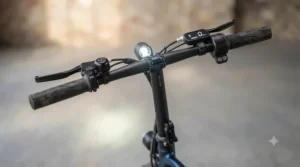
Physically, these products borrow more from kids’ ride-on toys than from adult commuter scooters: lower decks, wider stances, and simplified controls such as thumb throttles rather than twist grips dominate the age-appropriate end of the market. As reviewed above, most genuine 5-8-rated models cluster around a 100W motor and a UL2272-certified battery, reflecting a fairly consistent industry approach to this specific age bracket.
How to Choose an Electric Scooter With a Seat for a 5-8 Year Old
- Match top speed to age and confidence, not just the label. A scooter rated “5-8” with a single fixed top speed suits a confident eight-year-old very differently than a cautious five-year-old; multi-speed models like the Hiboy range solve this directly.
- Check the weight limit against your child’s actual weight, with headroom. Buying right at the limit shortens the scooter’s useful life considerably.
- Prioritise certified batteries. UL2272 certification specifically addresses fire and electrical safety, and it’s a meaningful differentiator rather than marketing fluff.
- Decide fixed versus removable seat based on how long you want this scooter to last. Removable-seat models, like the KidsElectricCars.co.uk pick, effectively double as two products over time.
- Factor in your actual riding surface. Pneumatic tyres suit smoother driveways; solid tyres suit gravel, bark chip, or uneven garden paths with less maintenance.
- Check charging time against your household routine. A 3-hour recharge suits spontaneous after-school rides far better than an 8-hour cycle.
- Read aggregated review sentiment, not just the star rating. A 4.4-star average tells you little; recurring specific complaints (assembly difficulty, battery life, seat comfort) tell you a great deal more.
Electric Scooter With Seat vs Standing Electric Scooter for Young Children
The core trade-off is stability versus skill development. A seated scooter removes the balance requirement almost entirely, which accelerates early confidence but arguably slows the development of the core balance skills a standing scooter, skateboard, or bike eventually demands.
In practice, most families use a seated model as a genuine first step between ages 5 and 7, then transition to a standing electric scooter once balance has developed through general play, kick scooters, or bikes. The removable-seat models on this list, notably the KidsElectricCars.co.uk pick, are specifically designed to bridge that transition without a second full purchase. For families prioritising immediate independence and lower fall risk, seated wins outright; for families prioritising longer-term balance and coordination development, a standing model introduced slightly later may serve better.
What to Expect: Real-World Performance for Young Riders
Translating spec sheets into lived experience, a 5-mile quoted range typically delivers closer to 3.5-4 miles of genuinely usable riding once you account for a child’s weight, frequent stop-starting, and UK weather conditions like damp grass or a slight incline in the garden. Similarly, a “9 mph top speed” from a seated position feels notably faster and more exposed to a five-year-old than the same number would to an adult, which is precisely why the tiered speed-mode scooters reviewed above tend to earn stronger real-world satisfaction than fixed-speed alternatives.
Charging times are broadly honest across the market, though lead-acid battery models like the Razor Pocket Mod range typically need the full quoted time rather than benefiting from partial “quick top-up” charging the way lithium models can.
Safety, Regulations and UK Compliance Guide
This is the section most buying guides skip, and it matters. In the UK, privately owned electric scooters, including children’s models, are legally intended for use on private land with the landowner’s permission, not on public roads, pavements, or cycle paths, regardless of the rider’s age. This applies even to a low-speed children’s model in a front garden that borders a public pavement, so it’s worth being genuinely clear with your child about where riding is and isn’t appropriate.
Beyond location, always insist on a properly fitted helmet, regardless of how slow the scooter’s top speed is, since most injuries at this age come from unexpected falls rather than high-speed collisions. Elbow and knee pads are a sensible addition for the first few months while balance and reaction time are still developing. On the charging side, follow standard battery safety practice: charge on a hard, non-flammable surface, never overnight unsupervised in a bedroom, and always using the manufacturer’s supplied charger, a point emphasised clearly in the London Fire Brigade’s guidance on e-bike and e-scooter charging safety. It’s also worth noting that UK e-scooter legislation has been shifting in recent years, with government reviews ongoing into how private scooters might eventually be regulated more formally; families who want the fuller policy picture can consult the House of Commons Library’s briefing on regulating electric scooters for context on where things currently stand.
✨ Ready to Get Your Little One Rolling?
🔍 Compare the seven models above side-by-side, click through to check current pricing and availability, and pick the one that actually matches your child’s confidence level rather than just their age.
Long-Term Cost & Maintenance
Upfront price is only part of the real cost picture. Budget models like the HOMCOM save money initially but typically use non-removable lead-acid batteries, which generally need full replacement after 12-18 months of regular use, at a cost that can approach a meaningful fraction of the original purchase price. Lithium-battery models such as the Hiboy range cost more upfront but generally hold charge capacity better over time and are lighter, reducing wear on the frame and motor from excess weight.
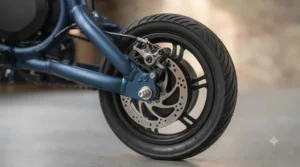
Realistic annual maintenance across any model in this bracket includes occasional tyre replacement (more frequent on pneumatic models), periodic brake pad wear on drum-braked units, and general cleaning after damp UK outdoor use. Factoring in a genuinely used scooter’s total two-to-three-year cost of ownership, including one likely battery or tyre replacement, generally favours the mid-range lithium models over the cheapest lead-acid options, even though the initial outlay is higher.
Frequently Asked Questions
❓ Is an electric scooter with a seat safe for a 5-year-old?
❓ How long does the battery last on a kids' seated electric scooter?
❓ Can the seat be removed as my child grows?
❓ What's the difference between 12V and 24V kids' electric scooters?
❓ Can kids ride these electric scooters on the pavement in the UK?
Conclusion
Choosing the right electric scooter with seat for 5-8 year old riders really comes down to being honest about your specific child rather than chasing the highest-rated product overall. A cautious five-year-old and a tall, confident eight-year-old have almost nothing in common as riders, despite both technically falling inside the same marketed age bracket, and the seven scooters covered here reflect genuinely different points along that spectrum.
If you’re starting from scratch with a nervous first-timer, the HOMCOM’s low speed and adjustability, or the character-led reassurance of the Hiboy JoyHaul, are sensible entry points. If your child already has scooter experience and simply needs a seated option for longer rides, the tiered speed modes on the Hiboy Q2 Lite-A or U2 Lite offer genuine room to grow. And if you’re buying for an older, taller eight-year-old who’ll likely want more scooter within a year regardless, the Razor Pocket Mod Capri avoids a near-immediate second purchase.
Whichever you choose, prioritise certified batteries, appropriate speed capping, and private-land use over headline speed figures, and always check current pricing before buying since promotional pricing shifts frequently across all the retailers mentioned here.
Recommended for You
- Electric Scooter With Seat For Kids: 7 Best Picks Tested for 2026
- 48V Electric Scooter for Older Kids and Teens: 7 Picks for 2026
- 48V Electric Scooter for Kids UK: 7 Best Picks for 2026
Disclaimer: This article contains affiliate links. As an Amazon Associate, I earn from qualifying purchases. If you purchase products through these links, we may earn a small commission at no additional cost to you.
✨ Found this helpful? Share it with your friends! 💬🤗
